Simmer Pot Recipes – Easy Stove Top Potpourri Blends
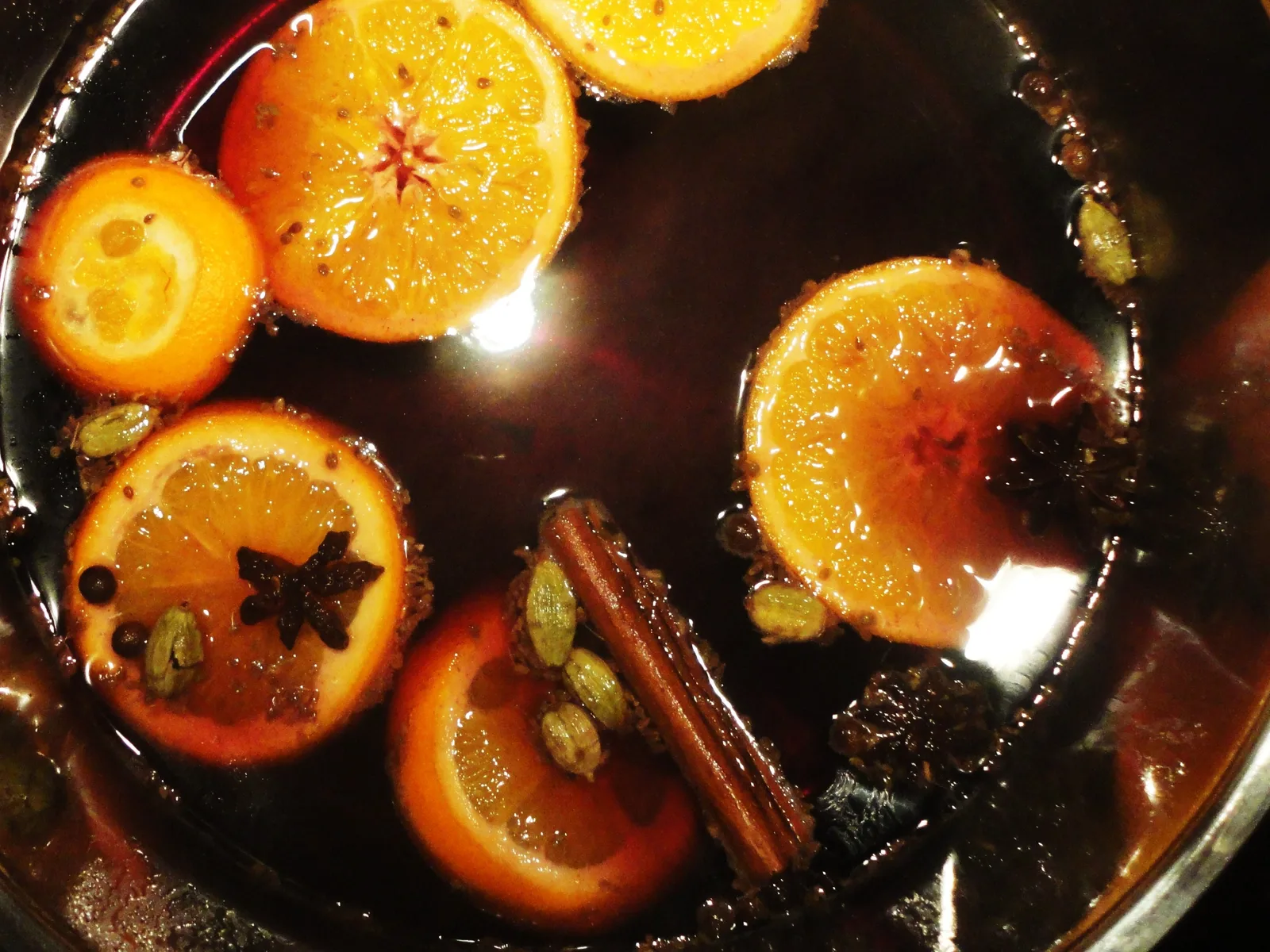
TL;DR
Slice two oranges and an apple, add two cinnamon sticks and a teaspoon of cloves, cover with water, and simmer on low for a couple of hours. That is the whole recipe. Tick the ingredients below to track what you have. If you want the method rather than the blends — the water ratio, the heat setting and how long the scent holds — the ten-minute walkthrough is on how to make a simmer pot. Coming back after the holidays? The winter blends cover January and February, when the Christmas pot starts to feel out of season.
Base simmer pot recipe
This is the stovetop potpourri every other blend on the site starts from — keep it simple, keep it low, and let the water do the work. Per-ingredient quantities for a two-quart pan, and what to leave out, are on the simmer pot ingredient quantities page.
Ingredient links go to Amazon. As an Amazon Associate, we earn from qualifying purchases.
Fill the pot with water
Add about 3 cups of water to a small saucepan or Dutch oven, leaving at least an inch of room at the top.
Add the aromatics
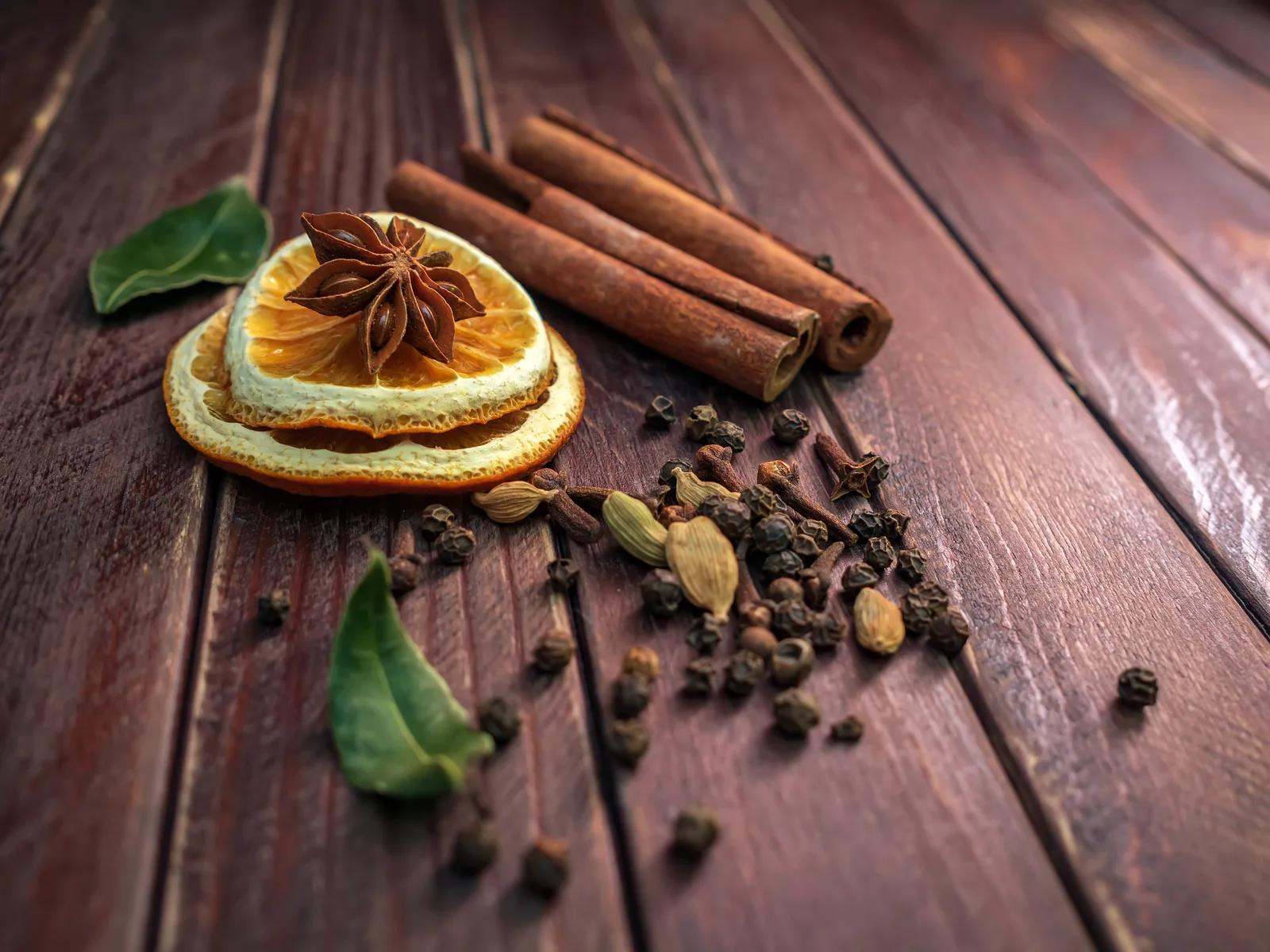
Drop in the sliced oranges, apple, cinnamon sticks and cloves. Everything should be mostly submerged.
Simmer on low
Set the burner to low and let it simmer gently. Replenish water as it evaporates to avoid a dry pot.
Enjoy and refresh
The scent builds over the first 30 minutes. Add more fruit or spices when it fades, and never leave the stove unattended.
Our recommended picks
As an Amazon Associate, we earn from qualifying purchases. Links below are affiliate links marked as sponsored — a qualifying purchase may earn us a commission at no extra cost to you.
Farberware 2-quart stainless saucepan
A 2-quart stainless pot with a lid — the right size for one simmer pot.
Simmer pot mix, 12 pouches
Pre-portioned orange-and-spice pouches — tip one into the water and simmer.
Simmer pot mix gift set
A ready-to-give set of six blends for friends who love a home that smells good.
Simmer pot recipes by season
The base method stays the same all year; only the fruit and spice change. Each season has its own full page with quantities, timings and the variations we actually make:
- fall simmer pot with cranberries — tart, cinnamon-forward, from late September.
- thanksgiving simmer pot — the same cranberry base with apple added for the table.
- christmas simmer pot — cranberry, orange, clove and pine, plus four variations.
- christmas potpourri mix — the same spice list as a dry blend for bowls and sachets.
- winter simmer pot recipes — January and February, citrus and rosemary, no cinnamon.
- valentine's day simmer pot — rose, orange peel and vanilla, the lightest pot of the year.
Easy variations
One base pot, four quick swaps. Each variation points to the full seasonal page with the complete recipe and ingredients.
Cranberry-apple
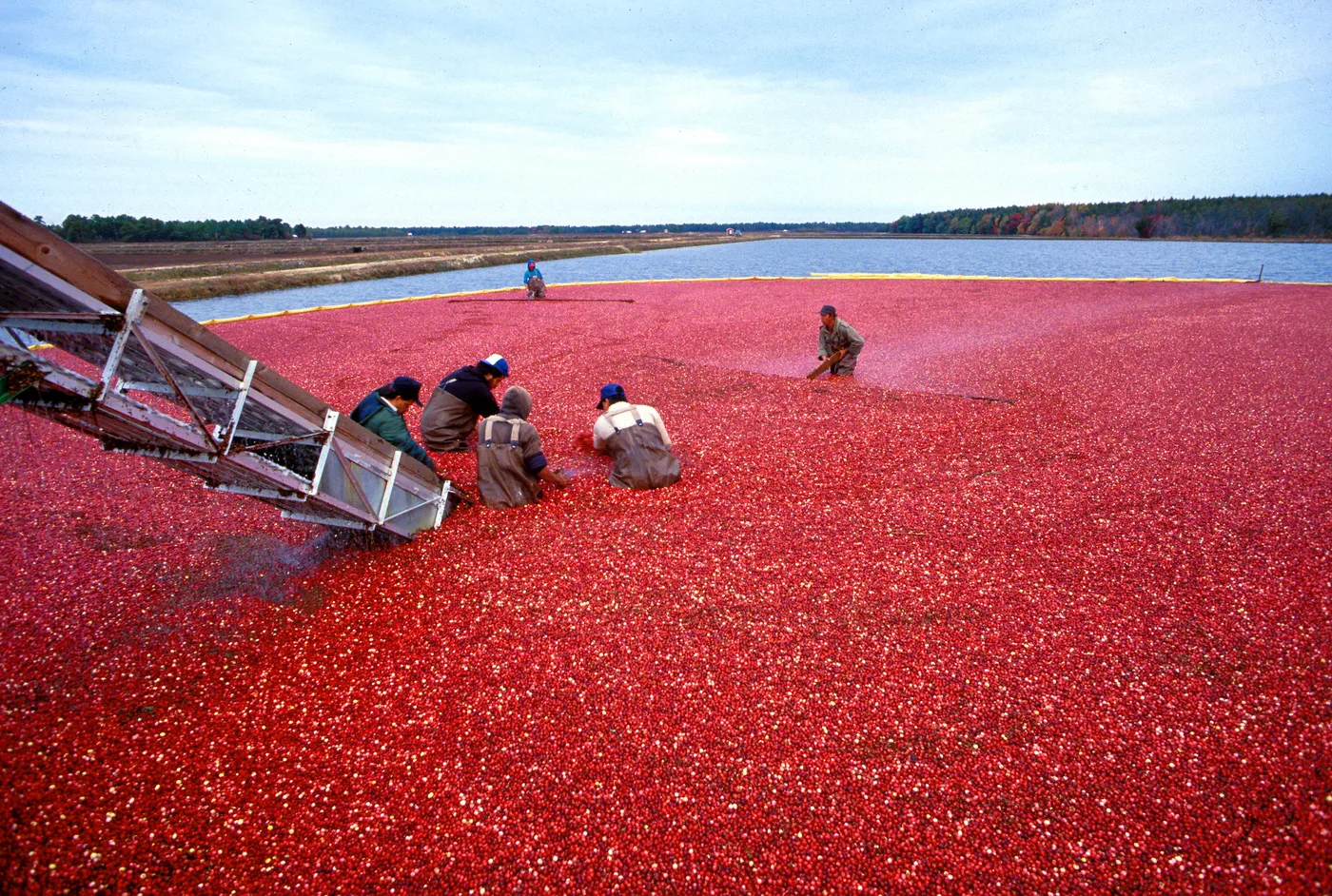
Swap the orange for cranberries and cinnamon stays — tart and warm. Full fall recipe.
Pine & orange
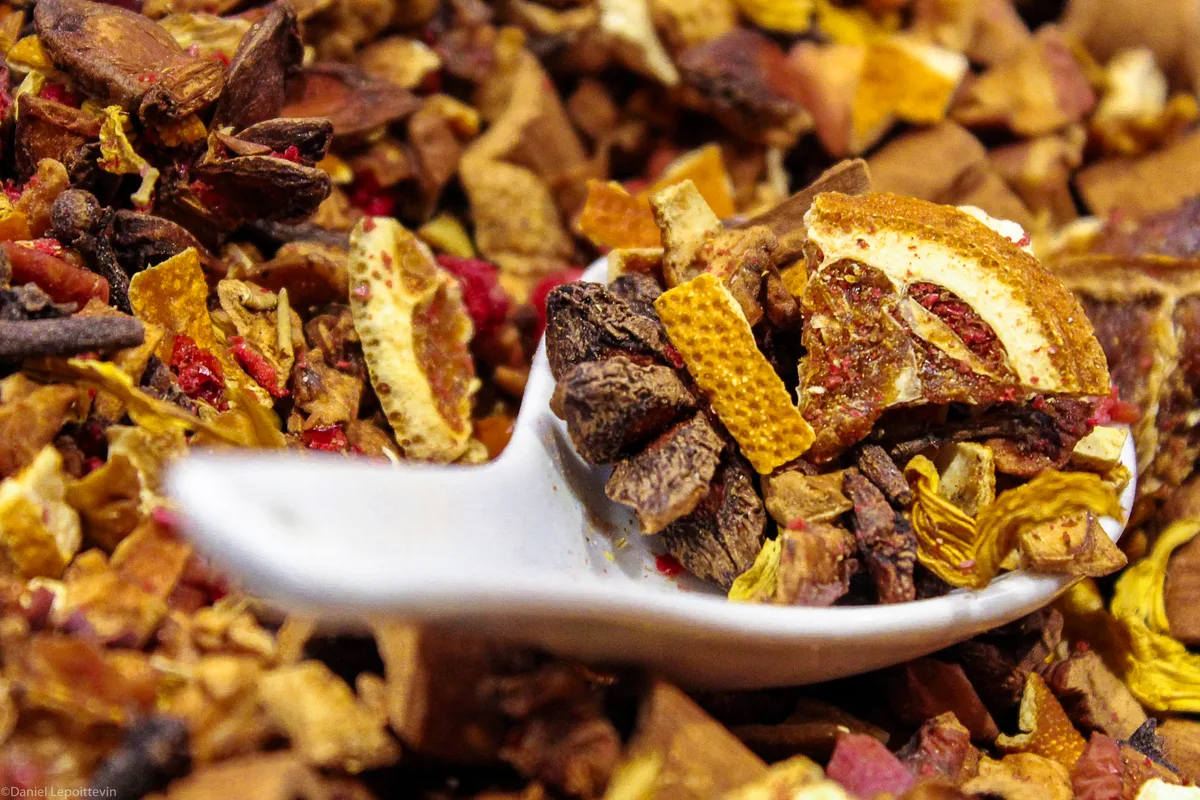
Add a sprig of pine or rosemary and cranberries for the holidays. Full Christmas recipe.
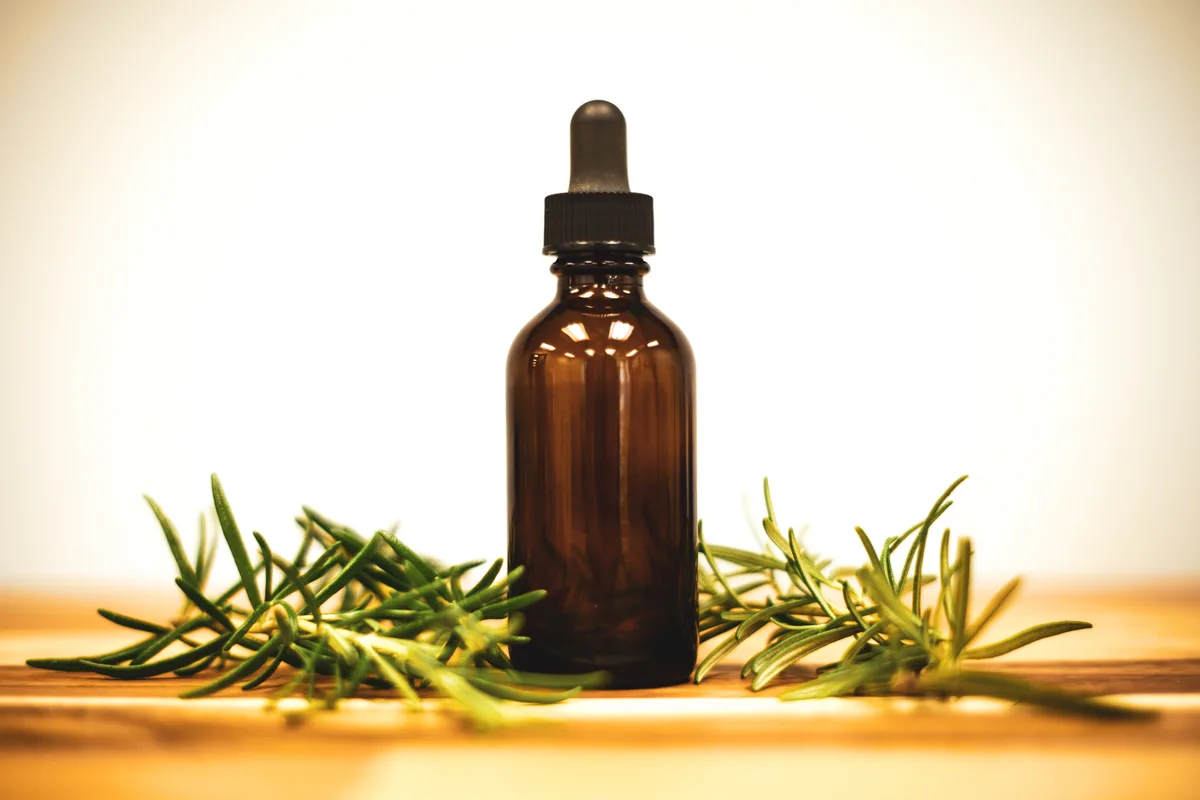
Lemon & herb
Lemon slices with rosemary or thyme — fresh and bright for spring. How to use oils.
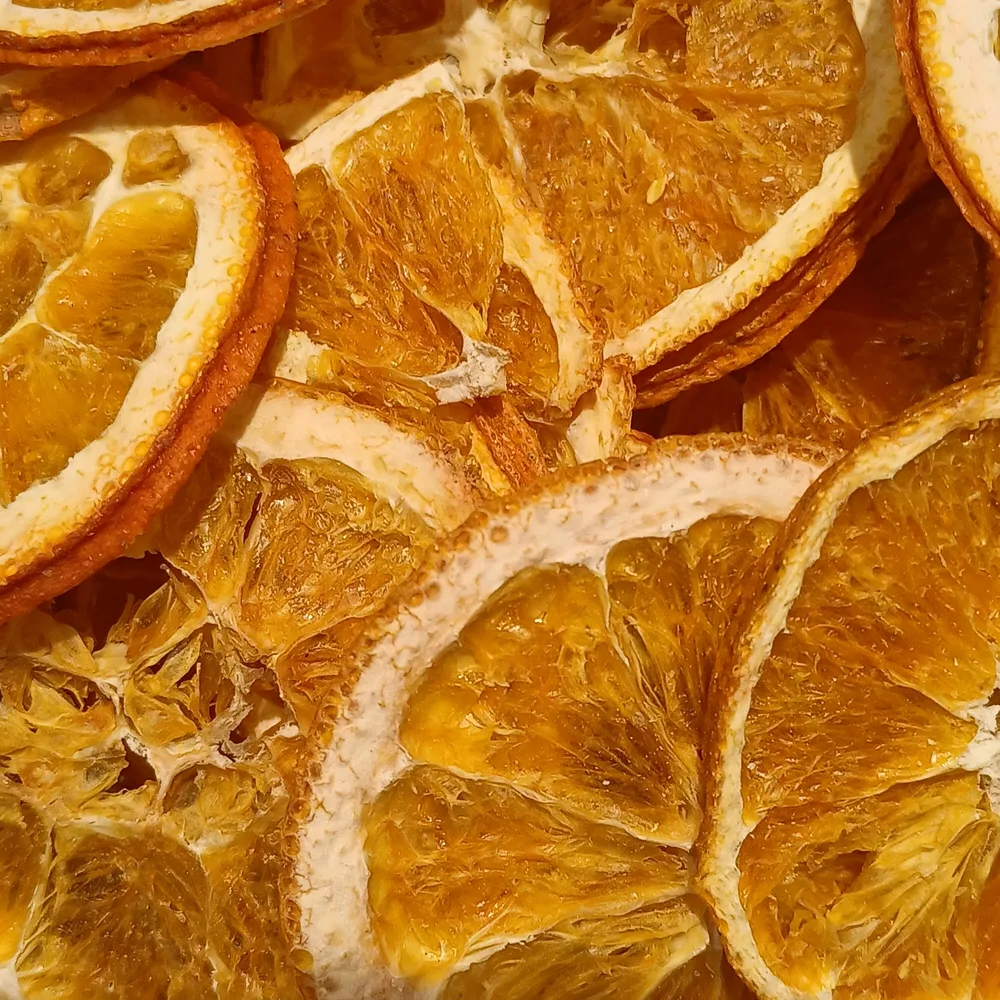
Vanilla creamsicle
A drop of vanilla with orange — dessert-y and cozy without sugar. Base recipe tips.
Simmer pot recipe list: four blends, one method
Every blend below runs on the same method — fruit and whole spice in about 3 cups of water, brought to a bare simmer and held there for two to three hours. What changes is the fruit and the spice. Amounts are per pot; halve them if the pan is small.
1. Cranberry apple — the fall pot
| Ingredient | Amount |
|---|---|
| Cranberries, fresh or frozen | 1 cup |
| Orange, sliced | 1 |
| Cinnamon sticks | 2 |
| Whole cloves | 1 teaspoon |
| Star anise (optional) | 1 pod |
| Water | 3 cups |
Tart, red and unmistakably autumn. The star anise is where people either stop or double down — leave it out for a cleaner cranberry-orange smell. Full fall cranberry recipe.
2. Cranberry apple spice — the Thanksgiving pot
| Ingredient | Amount |
|---|---|
| Cranberries, fresh or frozen | 1 cup |
| Apple, sliced | 1 |
| Orange, sliced | 1 |
| Cinnamon sticks | 2 |
| Whole cloves | 1 teaspoon |
| Water | 3 cups |
Apple makes this the softest of the four — it reads as baking rather than as spice. Best pot to start two to three hours before the meal and keep topped up while the oven is on. Full Thanksgiving simmer pot recipe.
3. Cranberry orange pine — the Christmas pot
| Ingredient | Amount |
|---|---|
| Cranberries, fresh or frozen | 1 cup |
| Orange, sliced | 1 |
| Cinnamon sticks | 2 |
| Fresh pine or rosemary | 3 sprigs |
| Whole cloves | 1 teaspoon |
| Water | 3 cups |
The pine is the whole point and also the reason to make this one early in December, while the smell still feels like the season rather than like a chore. Rosemary substitutes cleanly if nobody likes pine. Full Christmas simmer pot recipe.
4. Small-bowl version — the candle warmer pot
| Ingredient | Amount |
|---|---|
| Water | 1 cup |
| Dried orange slices | 4 to 5 |
| Cinnamon stick, broken | 1 |
| Whole cloves | 4 to 5 |
| Rosemary sprig or mint leaves | 1 sprig / 3 leaves |
Same idea at a tenth of the volume, for a warming plate rather than a hob. Small pieces and a broken cinnamon stick matter here, because a gentle heat plate takes far longer to pull scent out of a whole stick. Candle warmer simmer pot setup.
Making one as a gift? The simmer pot kits page covers exactly what goes into a jar, and the gift ideas page covers the tag that makes it usable.
Lavender simmer pot recipe
A lavender simmer pot is the calm-down blend: fresh or dried lavender buds with a few lemon slices, simmered on low for about an hour. Start with a couple of tablespoons of dried culinary lavender buds (or two big fresh sprigs) and one lemon, sliced. Keep the heat gentle — lavender gets bitter and hay-like if it boils hard. Expect a soft, floral, sleepy-room scent that pairs especially well before bed or in a bathroom.
Lemon simmer pot recipe
Lemon is the clean-and-bright simmer pot: thin lemon slices (peel and a little pith is fine), maybe a sprig of rosemary or a drop of vanilla, simmered low. The trick is using two or three slices, not half a fruit — lemon steam gets sharp and astringent when crowded. Pair it with mint in summer, rosemary in fall, or straight lemon for a fresh, airy kitchen scent that also works as a gentle air freshener.
Simmer pot with dried ingredients
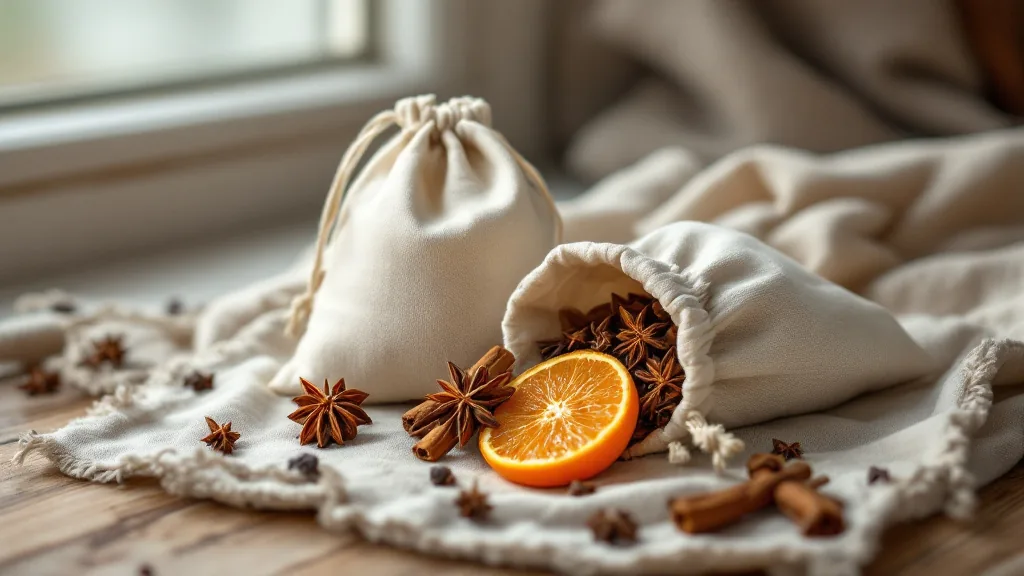
Dried ingredients make a simmer pot a pantry project instead of a grocery run. Dried orange slices, whole cinnamon sticks, star anise, cloves and dried cranberries all hold up for hours of gentle heat. Use slightly more dried fruit than fresh — drying concentrates the sugars but pulls back the scent — and keep the water topped up, because dried material soaks up more liquid as it rehydrates. The gift jar kits use this exact dried mix, which is why they travel and store so well. How to dry the fruit is on the dried orange slices page, and the amount for one pouch is on the simmer pot bags page.
Best simmer pot recipes for smell alone
When the goal is pure fragrance — no occasion, no season, just a good-smelling house — the strongest-scented picks are orange-and-clove (the classic, dense and warm), cinnamon-apple (bakery sweet), and a pine-rosemary mix in the winter months. All three are simple: fruit plus spices, water, low heat. For scent output per minute, thin citrus peels and ground-adjacent whole spices like cloves and star anise release fastest; whole fruit slices take about twenty minutes to really open up. Expect the base recipe to keep smelling for a couple of hours before the aromatics need refreshing.
Winter Simmer Pot Recipes (January–February)
A winter simmer pot is the plain-cold pot: the weeks after New Year, the rest of January and February, and the days just before Valentine's. It keeps the citrus and the green note and drops the heavy Christmas spice. The four blends, the amounts and the timing now live on their own page — winter simmer pot recipes for January and February — so this page stays the seasonal index rather than repeating them.
Safety while simmering
- Never leave it running dry. Replenish water regularly — a dry pot is a burnt pot.
- Do not leave the stove unattended. Turn it off when you leave the house or go to bed.
- Keep it on low. You want gentle steam, not a roaring boil.
- Let the room breathe. Open a window slightly or run the extractor on longer blends.
- Do not set glass bakeware on the burner. U.S. Pyrex's FAQ says not to use its glassware on a stovetop, an open flame, or an electric burner. Read glass pot on a gas stove before you try a bowl.
Stovetop, water, fire, pet, and child notes are on the simmer pot safety page.
More recipes
Frequently asked questions
How long can I leave a simmer pot on?
Keep it going as long as you are home and awake. Replenish water so the pot never boils dry, and turn it off before leaving the house or going to sleep.
What is the best simmer pot ratio of water to fruit?
Enough water to cover the aromatics, with about an inch of room at the top. For a small pot, 3 cups is a good starting point.
Can I reuse a simmer pot mixture?
Yes. Refrigerate it between uses and refresh with water, then reheat gently. Most blends last several days before the fruit goes mushy.
How do I stop a simmer pot from running dry?
Top up with water every 30–60 minutes. A stainless or enamel pot on low heat loses water slowly, but it still needs attention.
Do simmer pots need ventilation?
Simmering on low with a lid slightly ajar is fine in most kitchens. If you are using a gas stove in a small room, a window crack or extractor fan helps.
Can I use a slow cooker instead of the stovetop?
Yes. A slow cooker on low gives the same gentle heat and needs less watching — a good option while you are out of the kitchen.
How long does a simmer pot last?
On the stove, two to three hours on low is plenty for one session, and only while you are home and awake. Top up the water every 30–60 minutes so the pot never boils dry, and turn it off before you leave the house or go to sleep. Refrigerate the mixture between uses, refresh it with water, and reheat it gently. Most blends last several days before the fruit goes mushy — replace the fruit when it does. After the water has simmered down and been topped up a few times over a day, the fruit is spent and the aroma fades. Some people strain the contents, let them dry, and use them a second day, but that second run is noticeably weaker.
How is a winter simmer pot different from the Christmas one?
Same method, different spice. The Christmas pot leans on cranberry, cinnamon and clove; the winter blends deliberately drop the cinnamon and run citrus with rosemary, pine or vanilla, because the weeks after New Year are when the holiday smell starts to feel out of season. The pre-Valentine blend swaps in rose petals or a rose tea bag instead.
What can I use instead of pine in a winter simmer pot?
Rosemary or thyme. Three sprigs of rosemary carry the same green, resinous note and are easier to find in January; thyme is softer and pairs with lemon. A cut Christmas tree is not sold as food, so keep it out of the pot even if it still smells good.
Can I make a winter simmer pot with dried fruit?
Yes. Dried orange slices, dried cranberries and whole spices hold up for hours of gentle heat and are what the jar kits are built from. Use a little more dried fruit than you would fresh, and top the water up sooner — dried material rehydrates and soaks up liquid before it starts scenting the room.