Simmer Pot Gift Ideas – Jars, Tags & Host Gifts
TL;DR
The best simmer pot gift is a jar of dried orange, cinnamon and cloves with a "simmer me" card. It costs almost nothing, takes five minutes to assemble, and beats another candle.
DIY jar kit in five minutes
Assemble the jar
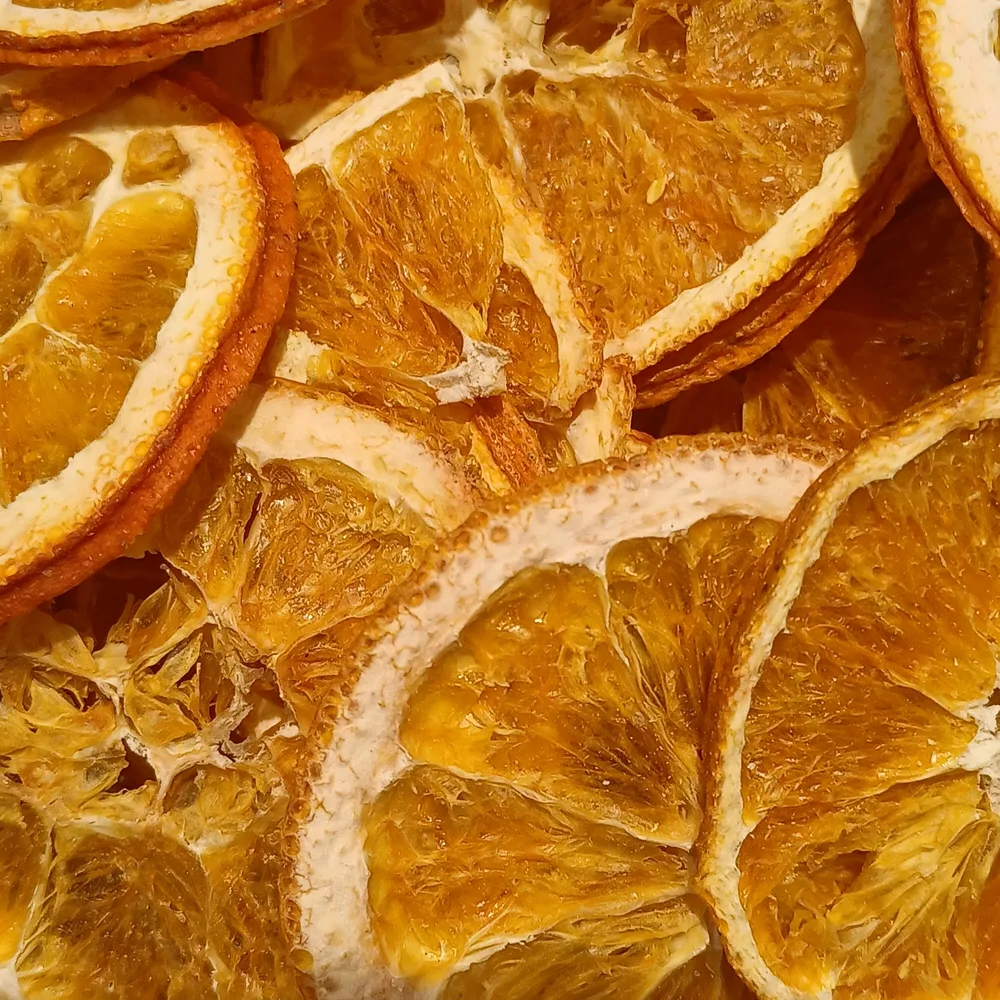
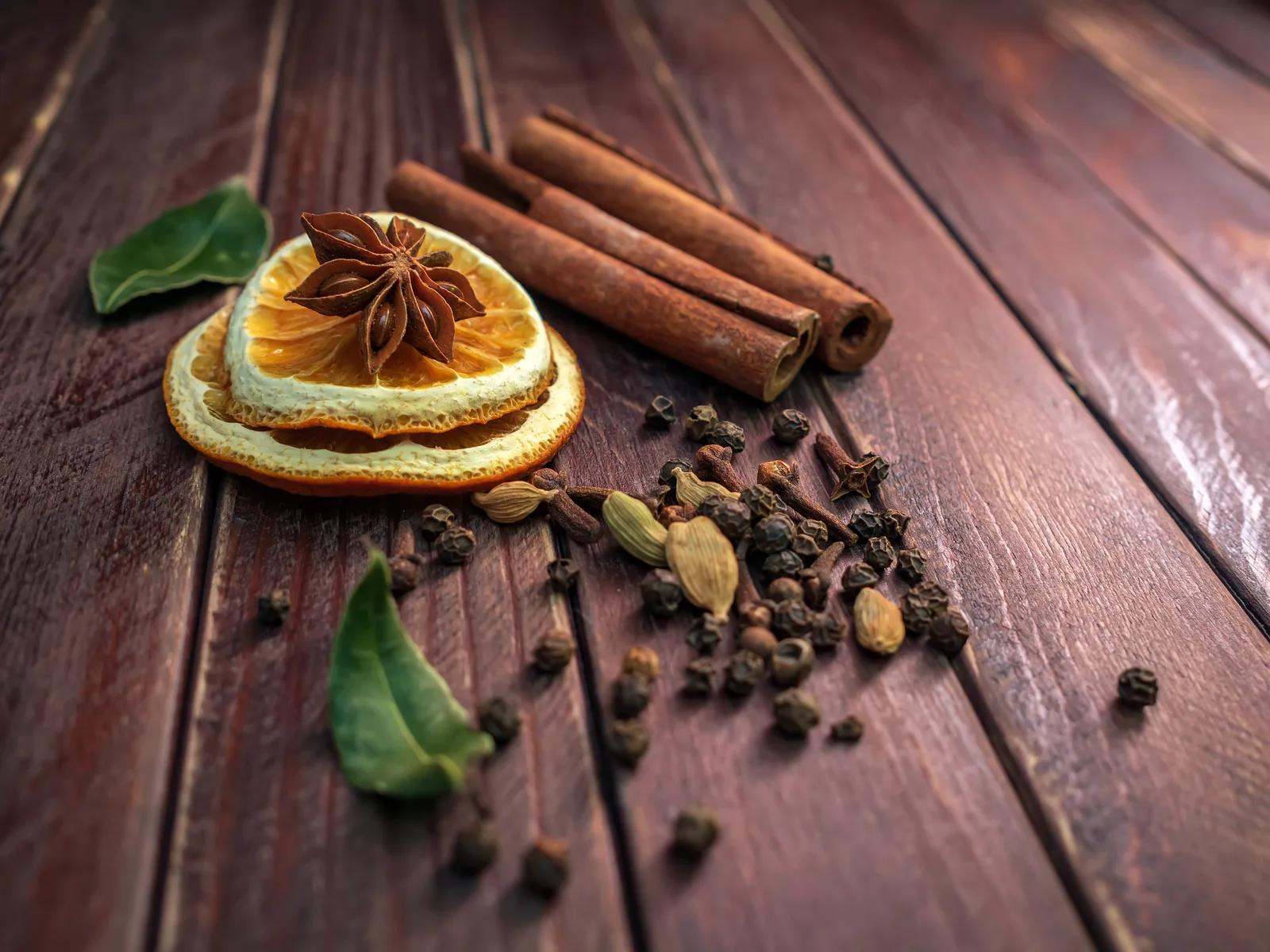
Layer dried orange, cinnamon, cloves and cranberries in a glass jar.
Add the card
Attach a note: add water, simmer on low, refill as it evaporates.
- Fill a glass jar with dried orange slices, two cinnamon sticks, a handful of cloves and a few dried cranberries.
- Tie a ribbon and attach a card: "Add water to cover. Simmer on low. Top up as it evaporates."
- Wrap in tissue and done — a thoughtful, useful gift.
Simmer me 🎁
Add water to cover · Simmer on low · Top up as it evaporates
Dried orange · Cinnamon · Cloves · Cranberries
Stove top potpourri gift: what the card has to say
Gift searches and recipe searches use different words for the same jar. A stove top potpourri gift is the dry mix in a jar; a holiday simmer pot is the pot already going on someone's hob. One jar with a card covers both, because the card is the part that turns dried fruit into something the recipient can use on the first cold night.
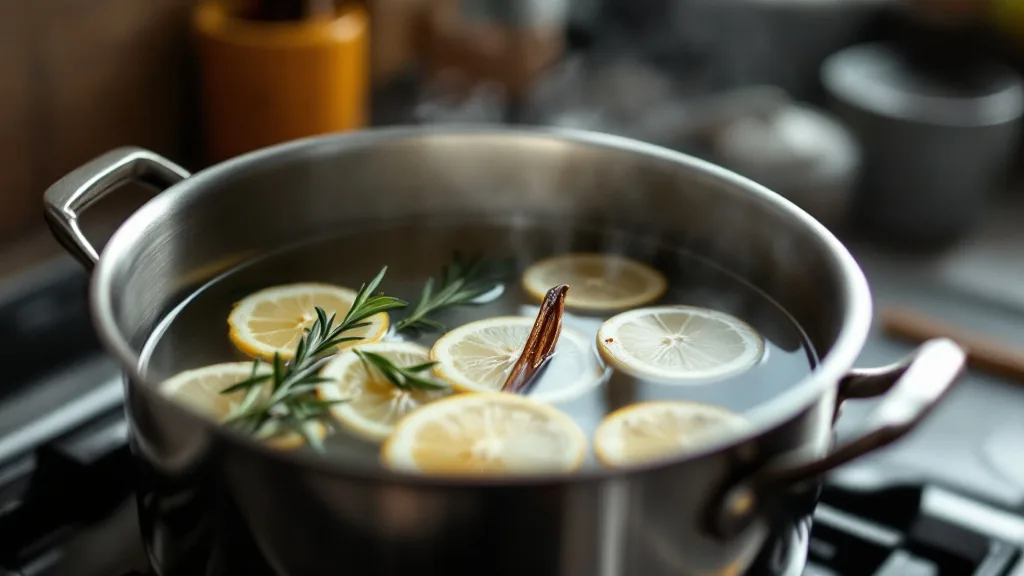
Three facts do the work: how much water, how much heat, how long. "Empty the jar into a small pan, add about 3 cups of water, keep it at the lowest simmer for two hours, top up as the level drops." A jar without that line ends up in a cupboard with the candles nobody burns.
- Size: 8 oz holds a single pot; 16 oz looks generous through the glass and layers neatly.
- Layering: stand dried orange slices against the glass, put cinnamon sticks and star anise in the middle, then fill the gaps with cranberries and whole cloves.
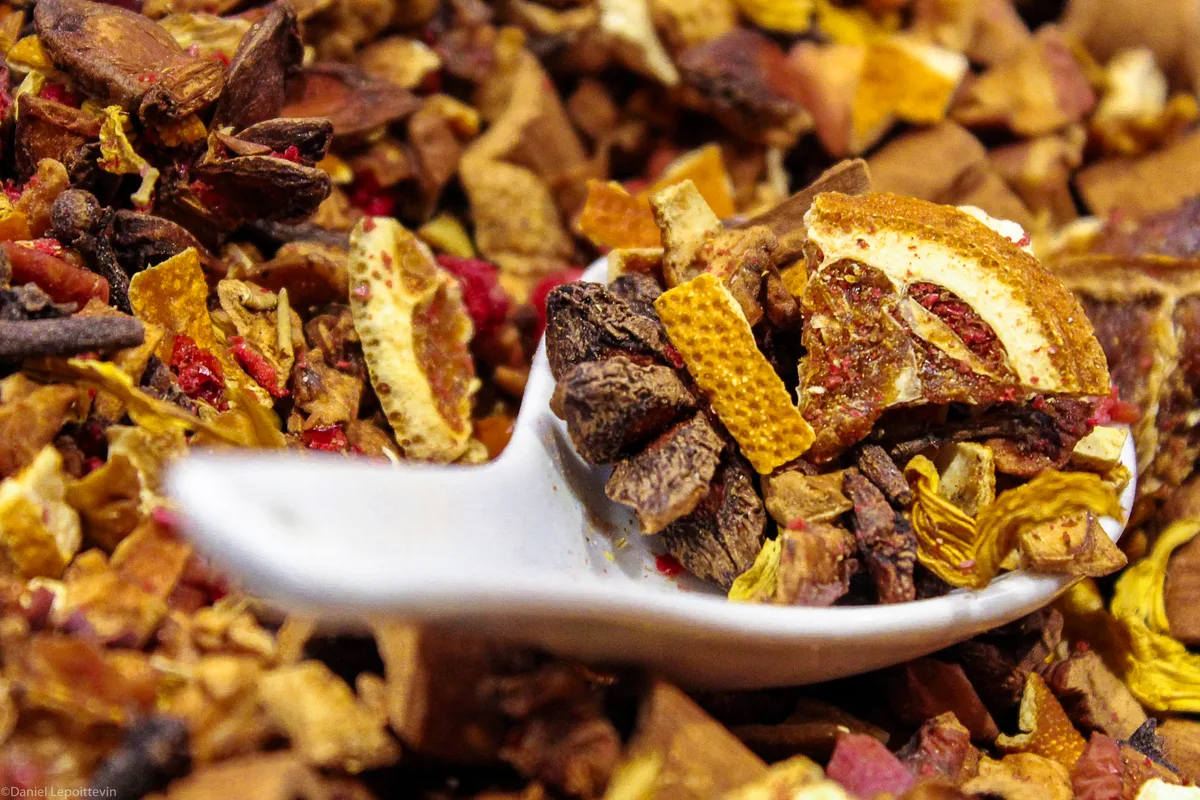
- Wording: write "food-grade dried fruit and whole spice" on the tag. Decorative potpourri is often treated with fragrance oil and marked not for food use, and a gift that does not say which it is invites a fair question.
For someone with no gas hob, or a household with small children at the stove, the candle warmer version is the safer gift — same spice list, a small ceramic bowl, no flame. If the jar is the December blend, point the tag at the Christmas simmer pot so the recipient can see it simmered before they try it.
Simmer pot gift: what separates a gift from a bag of spice
A simmer pot gift is the same dry ingredients as any jar on this site — what changes is whether the recipient can use it on the first cold night without going to look anything up. That is entirely down to three things: a vessel that closes, a measured quantity, and a line of instruction attached to it. Loose spice in a paper bag fails all three; it reads as ingredients someone forgot to finish.
- One pot per jar. Two tablespoons of the blend is a single evening. A jar holding four pots looks generous and sits unopened, because nobody wants to remember how much they used last time.
- A vessel with a seal. A clamp-lid or screw-top jar keeps the oils in; a folded pouch lets the whole thing go flat in a month on a shelf.
- The instruction, on the object. Not in the message, not on a separate card that gets lost in the wrapping — on the jar, or on a tag tied through the lid.
The cheapest version that still reads as a gift is a filled 8 oz jar, a ribbon, and a printed tag. If you want it to look bought, the layering does more work than the jar itself: orange slices standing upright against the glass, dark spice in the middle, a single star anise visible from the outside. Full jar-method steps live on the ready-to-gift simmer pot kits page, and the printable tags are below.
Christmas simmer pot gift: the December version of the same jar
A Christmas simmer pot gift is the blend people expect: orange, cranberry, cinnamon, clove and a pine or rosemary sprig. It is also the version with a deadline — the jar has to be in someone's hands before the week of Christmas, or it becomes a January cupboard item.
Working backwards from that: fill jars in the first half of November while dried orange is still cheap and before the postal queues start, and post by the first week of December if the recipient is not local. A finished jar keeps about six months sealed away from light, so there is no rush on the ingredients — the deadline is entirely about delivery.
- Quantities for an 8 oz jar: 6–8 dried orange slices, 2 broken cinnamon sticks, 1 tablespoon whole cloves, 3 star anise, 2 tablespoons dried cranberries, one small rosemary or pine sprig.
- Tag wording that prevents the usual question: "food-grade blend — empty into a small pan with 3 cups of water, lowest simmer, top up as it drops."
- For a batch of ten: one bag of dried orange and one box of whole spice covers it; the cost per jar drops to a fraction of a ready-made kit, which is the whole reason to do it yourself.
If the recipient would rather have the mix for a bowl than for a pan, point them at the Christmas potpourri blend — same spice list, used cold. And if you are giving the pot rather than the jar, the Christmas simmer pot page has the timings to copy onto the card.
When ready-made wins
If you are shipping a gift or assembling ten of them, ready-made simmer pot kits save real time. They arrive pre-measured with a presentable jar. The trade-off is price and a less personal touch — both are fine options. For a favour run of ten, filling your own simmer pot bags for party favors costs a fraction of a ready-made set and takes one evening. And the season does not stop at Christmas: a jar given in January or February is filled from the winter simmer pot blends — citrus, rosemary and vanilla, no cinnamon.
Our recommended picks
As an Amazon Associate, we earn from qualifying purchases. Links below are affiliate links marked as sponsored — a qualifying purchase may earn us a commission at no extra cost to you.
Ready-made gift set with glass jars
Six pre-filled jars of dried fruit and spice — open, add water, simmer.
Dried orange and cinnamon kit
Dried orange slices and cinnamon sticks to build your own jar kits; add whole cloves.
Simmer pot mix refill, 12 pouches
Refill packs for the person who already owns a simmer pot.
Free printable gift tag templates
Download and print these three gift tags — sized to fold over the top of a jar, punch a hole, and thread with ribbon. Print on cardstock for a sturdier tag.
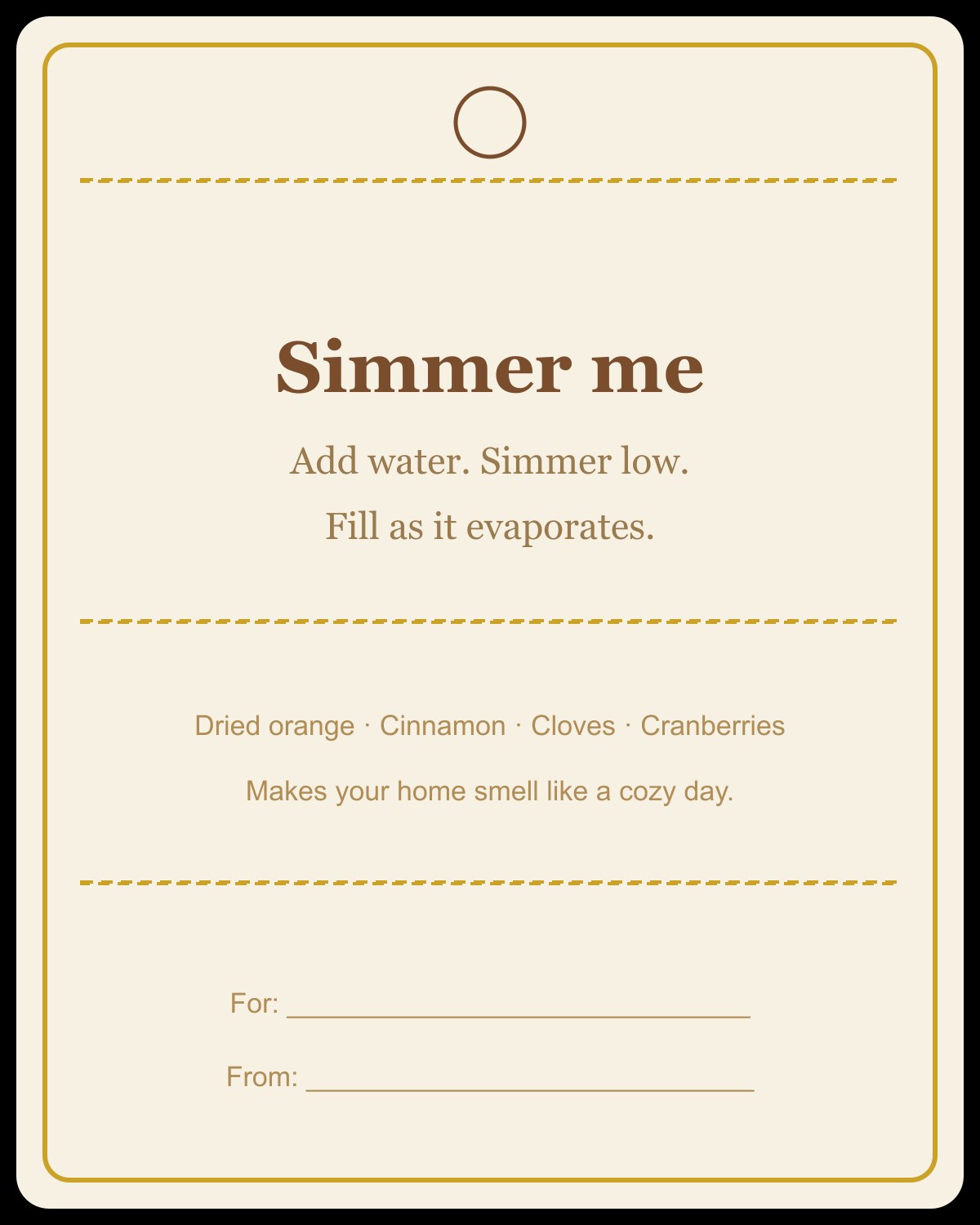
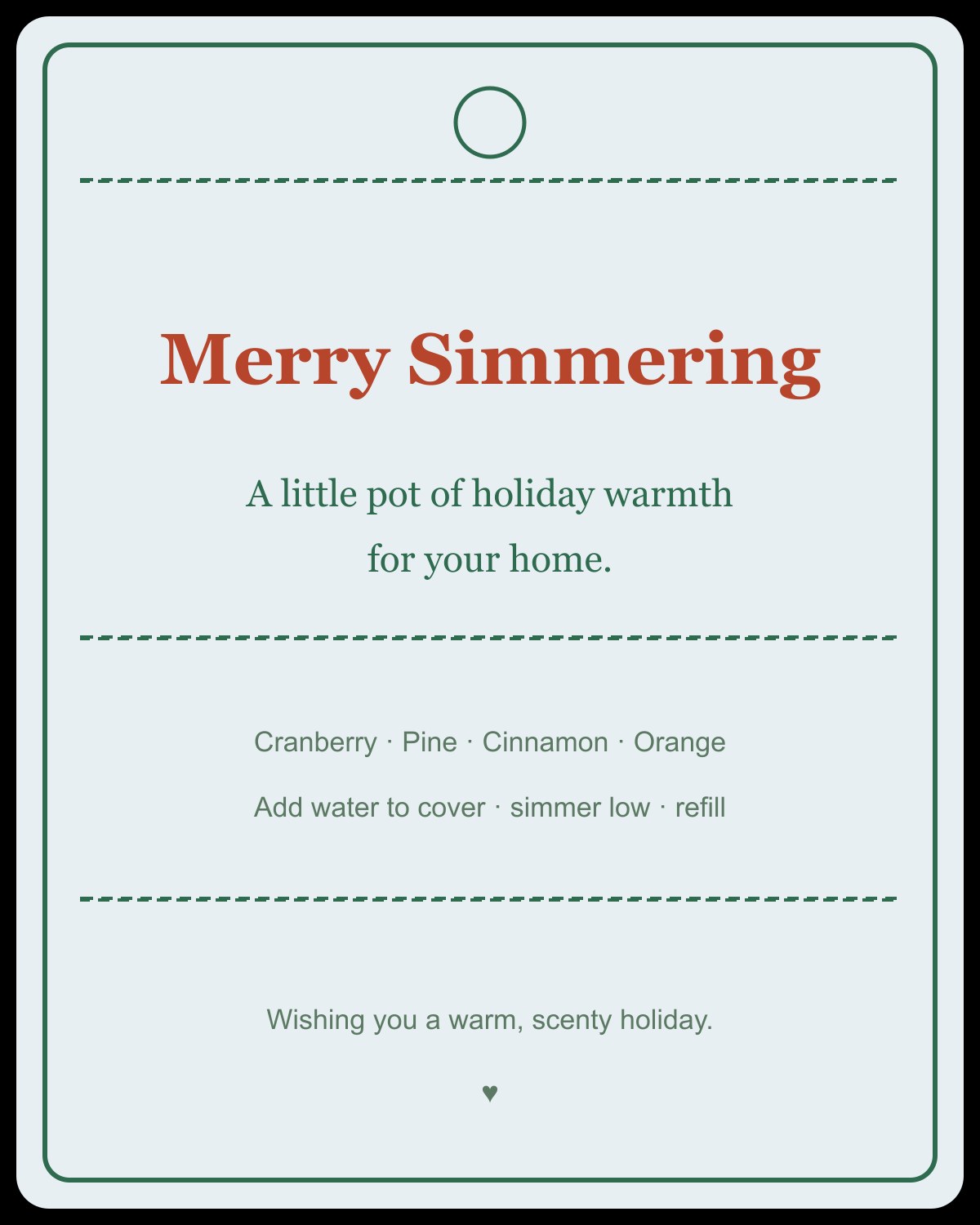
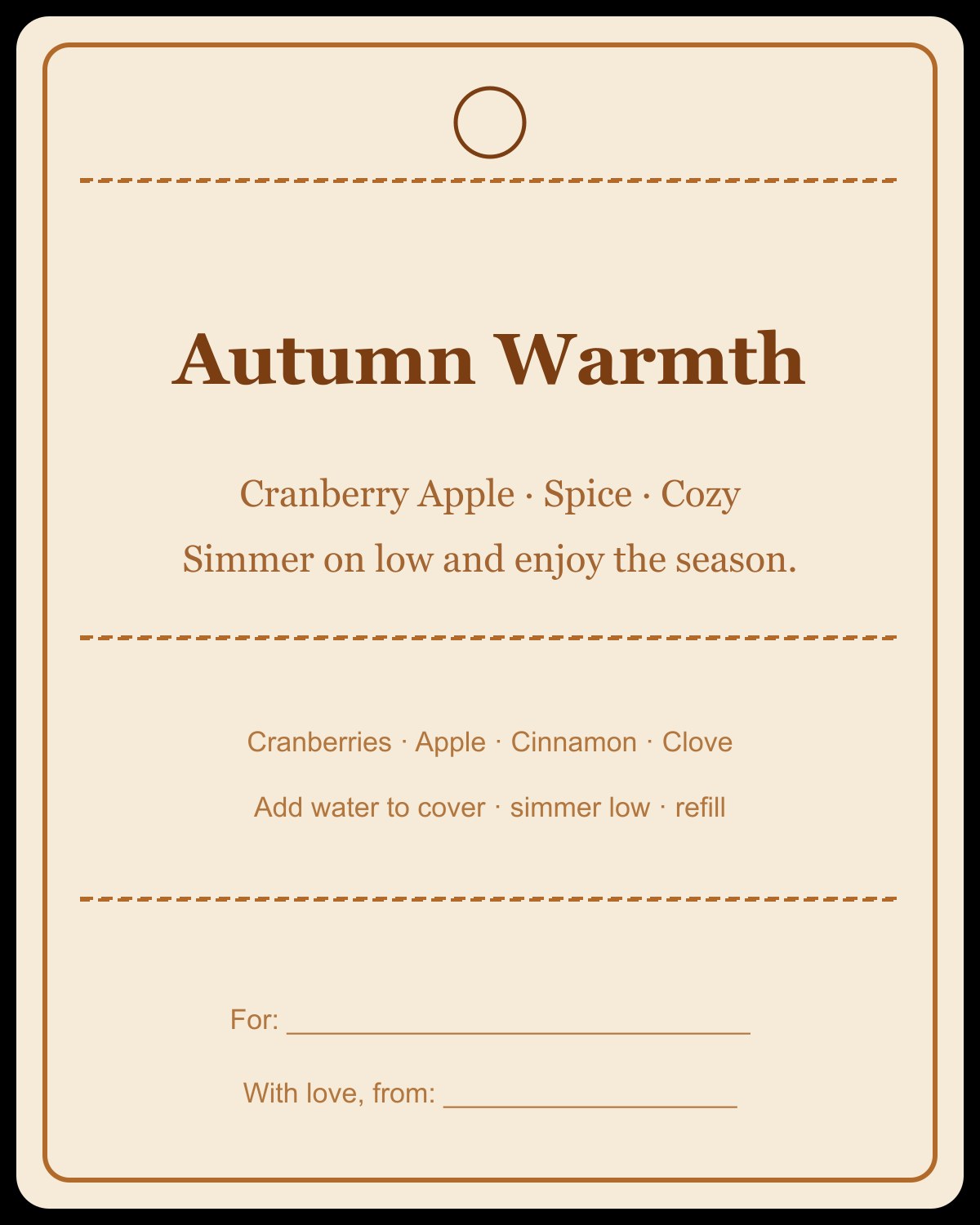
Print at 100% scale on 8.5 × 11 in cardstock, cut along the edge, punch a hole at the circle, and tie with ribbon. The classic tag doubles as the assembly card inside a DIY jar kit. Prefer one sheet, all three tags? Download the combined PDF (A4, 3 tags).
Stovetop, water, fire, pet, and child notes are on the simmer pot safety page.
More recipes
Frequently asked questions
What is in a DIY simmer pot gift kit?
A jar of dried orange slices, cinnamon sticks, cloves and cranberries, plus a card: "Add water, simmer on low, refill as it evaporates." Assemble it in five minutes.
How long does a simmer pot gift kit last?
Dried ingredients stay fresh for months in a sealed jar. Each kit makes one or two full pots before the aromatics fade.
Are ready-made simmer pot kits worth it?
Yes if you are gifting convenience — they arrive pre-measured with a nice jar. DIY kits win on price and personal touch; ready-made wins on speed.
What do I gift alongside a simmer pot kit?
A small stovetop pot, a set of cinnamon sticks, or an essential-oil sampler all pair well and make the gift feel complete.
Can I mail a simmer pot gift kit?
Yes, if you keep it dry. A sealed jar of dried orange slices, cinnamon and cloves travels well. For fresh fruit, assemble it at the destination instead — wet ingredients spoil and leak. Pack the jar upright, cushion it, and mark the box fragile.
Is stove top potpourri a good gift?
It is one of the few homemade gifts that gets used up rather than stored, as long as the jar carries instructions. Dried fruit and whole spice are cheap, they keep for a season, and the recipient needs no equipment beyond a small pan and water. The failure case is a pretty jar with no card: people do not guess what to do with it.
What size jar should a simmer pot gift use?
Eight ounces holds a single pot; sixteen ounces looks generous through the glass and is easier to fill neatly. Anything larger needs more fruit than one pot should hold, and the recipient ends up with leftovers they cannot use.