Christmas Simmer Pot Recipes – Holiday Stove Top Potpourri
TL;DR
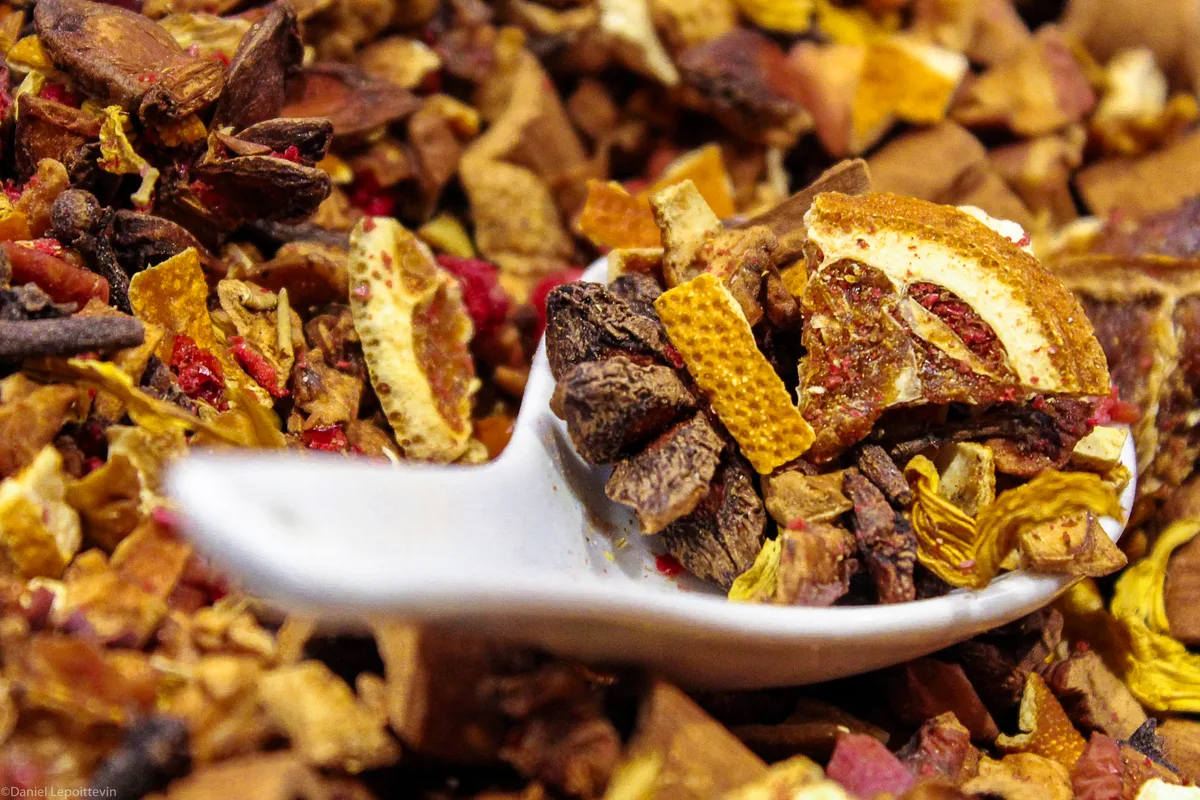
Cranberries, orange, cinnamon, cloves and a sprig of pine, simmered low for a few hours. No candles, no sprays — just a pot that smells like Christmas.
Christmas simmer pot recipe
Amounts below are for one two-quart pan; the reasoning behind each quantity, and the swaps that work, are on the simmer pot ingredients page.
Ingredient links go to Amazon. As an Amazon Associate, we earn from qualifying purchases.
Combine everything
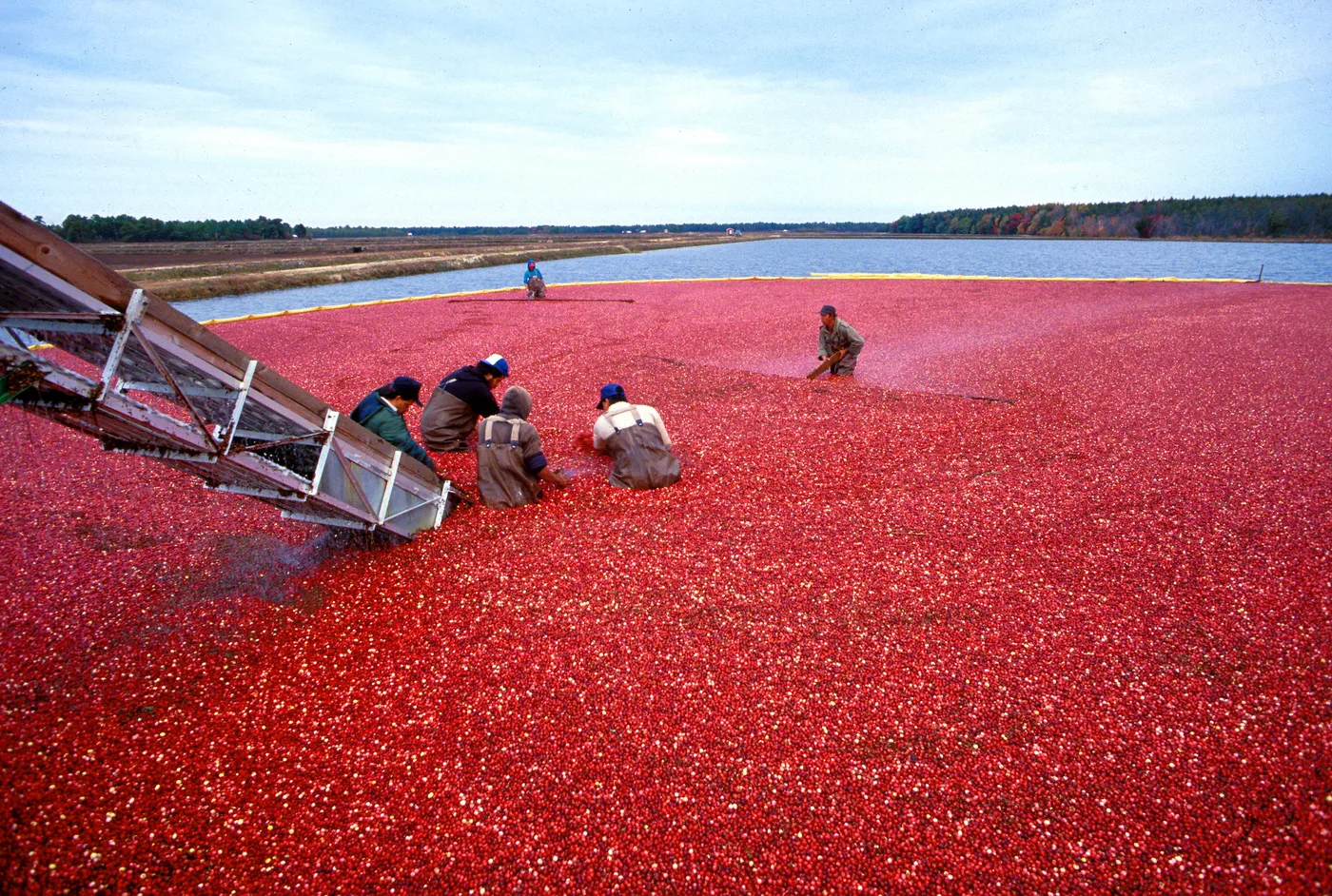
Add cranberries, orange, cinnamon, cloves and pine to a pot with about 3 cups of water.
Simmer on low
Bring to a gentle simmer and keep it low for 2–3 hours, topping up water as needed.
Refresh for the next day
Store leftovers in the fridge and reheat gently — the scent returns fast.
Our recommended picks
As an Amazon Associate, we earn from qualifying purchases. Links below are affiliate links marked as sponsored — a qualifying purchase may earn us a commission at no extra cost to you.
Simmer pot gift set
Ready-made holiday blends for when you would rather give than cook.
Dried orange + spice bundle
Pre-portioned orange, cinnamon and cloves for filling gift jars.
Small enamel stovetop pot
Inexpensive, hard-wearing and cute enough to gift with a blend.
Timing it for a party
The stove is quick, which is either the point or the problem depending on when you light it. Direct heat throws scent into the room within about twenty minutes and then keeps pushing for two to three hours before the fruit goes tired and the water turns cloudy. Build the evening around that window instead of fighting it.
- Thirty to sixty minutes before guests: start the pot. The first hour is when the whole room picks up the smell.
- Halfway through the evening: add a fresh cinnamon stick and half an orange, and top the water back up. Refreshing the aromatics works better than simmering the same tired fruit for a fourth hour.
- Before you go to bed: burner off, pot off the heat. Anyone who has left one running overnight knows how the kitchen smells the next morning.
Keeping it going all day
A pot that simmers from morning to night is a pot you have to look after. Three things keep it pleasant rather than muddy: keep the water level above the fruit, keep the heat at a bare simmer rather than a boil, and top up with warm water so the pot does not lose temperature and stall.
Expect to refresh the aromatics every two to three hours on a long day. The orange goes soft first and starts to look like pulp; lift it out with a spoon and drop in a fresh slice. Cinnamon and cloves last longer than the fruit, so they can stay. If the liquid has gone brown and thick, that pot is finished — start a fresh one rather than adding water to it.
Making it ahead of the day
Almost everyone asks this the week before Christmas, and the answer splits cleanly in two: the dry half travels, the wet half does not. Whole spice and dried fruit sit in a jar for a season without losing anything. Sliced orange and fresh cranberries start going soft within hours of being cut, so they are a same-day job. If you are pre-making portions for gifts rather than one pot, see the Christmas simmer pot bags page.
- The night before: measure cinnamon sticks, whole cloves and dried orange into the jar or a bowl. Nothing spoils, and the next morning the pot is a two-minute start. Keep fresh cranberries in the freezer until the pot goes on — frozen ones behave exactly like fresh.
- The morning of: slice the orange. A sliced orange left in the fridge goes limp and sour before evening, so cut it as close to the simmer as you can stand. If you must cut early, keep the slices in a sealed container, not on a plate.
- After the evening: lift the fruit and spice out with a spoon, keep them covered in the fridge, and reheat gently the next morning with fresh water. The water itself is what turns; pour it away rather than storing it. If the fruit has gone to pulp, start a fresh pot — the whole thing takes five minutes.
What not to do is run one pot for days on end. A simmer pot that has been topped up ten times smells of stewed fruit rather than Christmas, and the pan collects a film that is hard to shift. Two fresh pots across a weekend beat one long one.
No pine, no problem
Pine is the note that makes people say "Christmas" rather than "autumn", but it is not required and not universally liked — some people find the smell of pine sharp, and anyone with a tree allergy will not thank you for it indoors. Rosemary, thyme or a couple of bay leaves give a green, resinous note that reads as winter without the tree.
For a version that leans on the table instead of the tree, the Thanksgiving simmer pot keeps the same cranberry and apple base with more spice and no pine at all.
When the tree comes down, the pot to switch to is a winter one: winter simmer pot recipes for January and February — rosemary, lemon and vanilla, or citrus with a little pine and no cinnamon. Same method, no cranberry.
Four more Christmas simmer pot recipes
The base pot is the one most people make. These four use the same method and the same two-quart pan — only the shopping list changes — and each one covers a different part of December rather than a different scent mood.
1. Pine-forward pot, for the tree smell
| Ingredient | Amount |
|---|---|
| Pine needles or rosemary | A small handful, or 4 sprigs |
| Orange, sliced | 1 |
| Cinnamon sticks | 1 |
| Whole cloves | 4–6 |
Less spice, more green: this is the pot for people who want the tree note and not the bakery note. Pine gives up its resin quickly, so keep the water level up and expect a shorter, sharper session rather than an all-evening one. Only use needles you know have not been sprayed.
2. Star anise and orange, for the days between the holidays
| Ingredient | Amount |
|---|---|
| Orange, sliced | 1–2 |
| Star anise | 1–2 pods |
| Cinnamon sticks | 1 |
| Whole cloves | 4 |
| Vanilla extract | 1 teaspoon, once warm |
No cranberry and no pine: this is the one that works between Christmas and New Year, when the tree is still up but the cranberry pot has started to taste like last week. Star anise carries the liquorice note that reads as mulled spice, and the vanilla keeps the orange from going sharp.
3. Dried-fruit pot, for an all-evening session
| Ingredient | Amount |
|---|---|
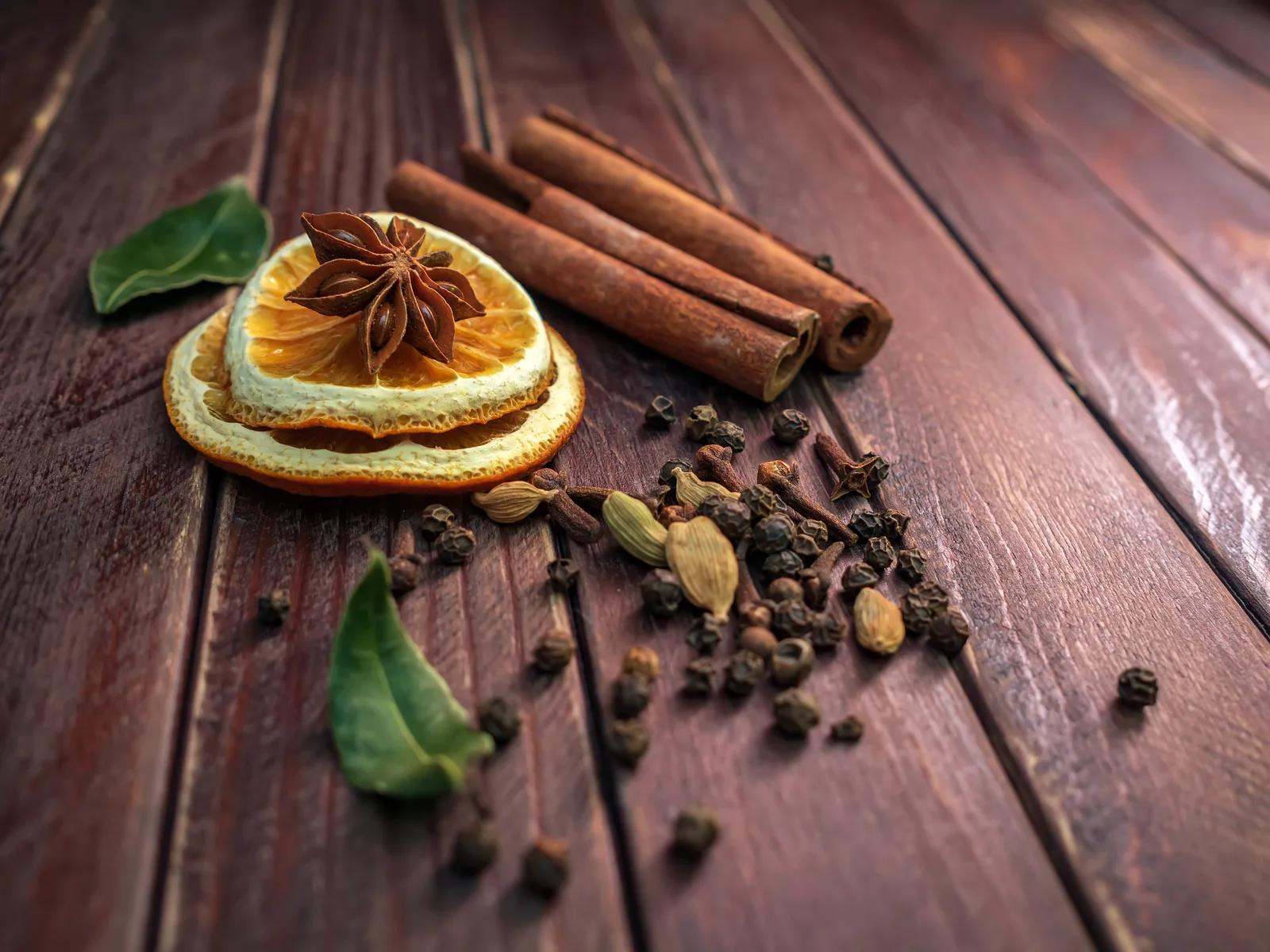
| Dried orange slices | 6–8 |
| Dried cranberries | 2 tablespoons |
| Cinnamon sticks | 2 |
| Whole cloves | 8–10 |
| Water | 4 cups — dried fruit drinks more |
All dried ingredients mean nothing goes soft and nothing needs using up, which makes this the pot to run on Christmas Eve while people are still arriving. Dried fruit takes longer to open, so start it an hour before you want the room to smell of it, and top up more often than with the fresh version. Per-bag quantities for the dry blend are on the simmer pot bags page.
4. Slow cooker version, for a house full of people
| Ingredient | Amount for a 4-quart slow cooker |
|---|---|
| Orange, sliced | 2 |
| Fresh cranberries | 1 cup |
| Cinnamon sticks | 2 |
| Whole cloves | 10 |
| Water | 5–6 cups, lid off |
Lid off, low setting, and check the water every couple of hours — a slow cooker evaporates more slowly but it does not top itself up either. This is the version for a day when nobody wants to stand at the stove, and it is the one that keeps a hallway smelling right from morning to evening.
Swaps that still smell like Christmas
Most people are missing one ingredient, not the whole recipe. These five swaps keep the pot recognisably a Christmas one — and drying your own orange slices covers the two that need dried citrus:
| Missing | Use instead | What changes |
|---|---|---|
| Fresh cranberries | A small handful of dried cranberries | Tarter, less juicy; add a little more water and expect the fruit to swell |
| Pine sprigs | Rosemary, thyme or two bay leaves | Greener and softer; the tree note is gone but the pot still reads as winter |
| Oranges | Two clementines or one grapefruit peel | Clementines are sweeter and fade faster; grapefruit peel is sharper and lasts longer |
| Whole cloves | Three allspice berries, cracked | Rounder and less medicinal; crack them so they release in the first half hour |
| Cinnamon sticks | One star anise plus a strip of orange peel | Liquorice edge instead of bark warmth; a different Christmas, still a Christmas one |
Do not swap in ground spice to save time. Ground cinnamon and clove sink, cloud the water and scorch on the base of the pan; whole spice is what makes the pot last all evening.
The same pot from Thanksgiving to January
The method does not change between the end of November and the middle of January — only the fruit and the spice do. If you are planning the whole stretch rather than one evening, this is the order:
| When | What goes in | Full recipe |
|---|---|---|
| Thanksgiving week | Cranberry, apple, orange, more spice, no pine | Thanksgiving simmer pot |
| Early December | Cranberry, orange, cinnamon, clove | Fall cranberry simmer pot |
| Christmas week | The same base plus pine — this page | Simmer pot recipes hub |
| January and February | Citrus, rosemary, vanilla, no cinnamon | Winter simmer pot recipes |
Stove top potpourri or holiday simmer pot — same pot
Three names turn up for this recipe and they all point at one thing: fruit and whole spice in water, held just under a boil. Stove top potpourri is the oldest of the names and the one that usually describes the dry blend sold by the scoop at a craft fair. Holiday simmer pot and Christmas potpourri wrap the same pot around December. Whichever word is printed on the jar, the method here does not change.
One distinction is worth keeping: potpourri sold for decoration is sometimes treated with fragrance oil or preservative and labelled not for food use. That belongs in a bowl on a shelf, not in a pan next to the food you are cooking. Anything you plan to simmer should be sold as dried fruit and whole spice.
- Stove top potpourri: the dry blend, simmered on the hob. The name most recipe cards from before 1990 use.
- Holiday simmer pot: the same pot sold as a ritual — start it before guests, keep it going through the evening.
- Christmas potpourri / Christmas stovetop potpourri: the December version, which is this page. Cranberry, orange, clove and pine.
If you want the scent with no burner under it, the same spice list runs in a small bowl on a candle warmer. If you want to hand it to someone already measured out, the simmer pot kits page covers what goes in the jar. And if what you actually want is the dry blend itself — for a bowl, a sachet or the drawer — the Christmas potpourri recipe is the same spice base measured by the cup rather than by the pot.
Turn it into a gift
Assemble the dry ingredients in a glass jar with a ribbon and a note: "Add water, simmer on low." It is a thoughtful, useful gift that costs almost nothing. See the gift ideas page for jar kits and ready-made options.
For: You 🎁
Add water · Simmer on low · Top up as it evaporates
Cranberries · Orange · Cinnamon · Cloves · A sprig of pine
Stovetop, water, fire, pet, and child notes are on the simmer pot safety page.
More recipes
Frequently asked questions
What makes a Christmas simmer pot smell like the holidays?
Cranberry and orange carry the sweet note, cinnamon and cloves add spice, and a little pine or rosemary brings the tree smell.
How long do I simmer a Christmas pot?
Two to three hours on low is plenty. Replenish water so it never runs dry, and store the leftover mixture in the fridge to reuse.
Can I use frozen cranberries?
Yes, frozen cranberries work exactly like fresh ones in a simmer pot.
What smells strongest — stove or slow cooker?
The stove releases scent faster because of direct heat; a slow cooker is gentler and needs less watching.
How far ahead should I start it before guests arrive?
Thirty to sixty minutes is enough on a stove: direct heat pushes the scent out quickly. A slow cooker needs an hour or two of head start because it comes up to temperature slowly.
Is one pot enough for a whole house?
In a closed living room or a small apartment, yes. In an open-plan kitchen and living space the scent pools near the stove, so put the pot where people actually sit rather than in a back utility room.
Can I use dried orange slices instead of fresh?
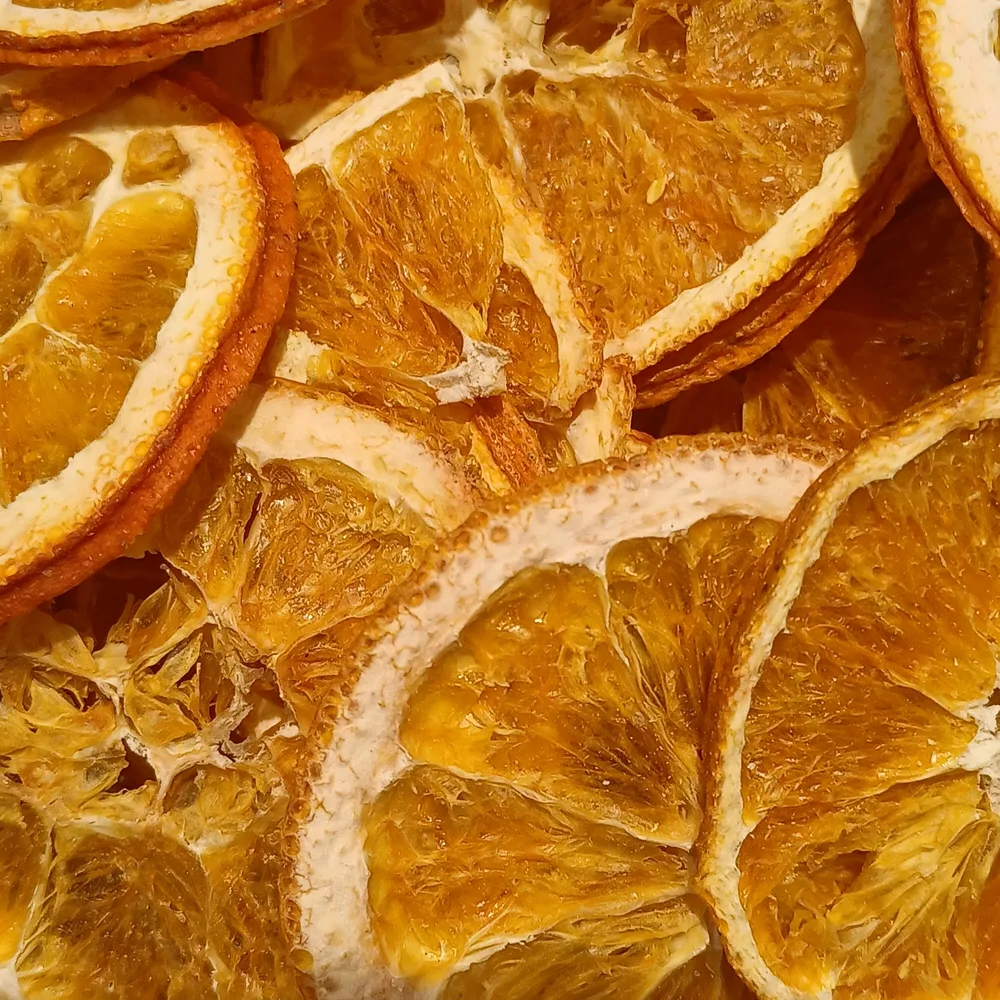
Yes. Dried slices rehydrate as they simmer and hold their shape longer than fresh orange, which makes them the better choice if the pot will run all evening. Plan on a little more water.
What happens if the pot boils dry?
The fruit scorches and the smell turns acrid, and a scorched pan is hard to save. Keep the heat at the lowest setting that still shows a few bubbles, set a timer for the first hour, and top up with warm — not cold — water.
Does a Christmas pot have to include pine?
No. Pine is there for the tree association, and rosemary or thyme gives a similar green note without it. Skip the pine entirely if the smell bothers anyone in the house — the cranberry, orange and spice base works on its own.
How long does a gift jar of the dry blend keep?
A jar of whole spices and dried orange keeps its punch for about one season. Ground spice fades faster than whole, so pack whole cinnamon sticks and cloves if the jar is meant to be opened in December.
Is stove top potpourri the same as a Christmas simmer pot?
On a stove they are the same pot: fruit, whole spice and water held just under a boil. Stove top potpourri is the older name and usually describes the dry blend sold by the scoop; a simmer pot is what you do with it. One thing to check is that boxed decorative potpourri is sometimes treated with fragrance oil and labelled not for food use, so read the label before you simmer it.
What counts as a holiday simmer pot?
Holiday simmer pot is the umbrella name for the winter blends: cranberry and pine for Christmas, cranberry and apple for Thanksgiving, orange and clove for the weeks between. The method is identical all season, only the fruit and spice change, which is why one page can carry the whole stretch from late November into January.
How many Christmas simmer pot recipes do I need for one December?
Two is enough for most households: the cranberry and pine base pot for the week before Christmas, and the star anise and orange pot for the days between Christmas and New Year. Add the dried-fruit version if you have guests arriving over several days, because nothing in it spoils while it waits.
Can I make a Christmas simmer pot without cranberry?
Yes. Cranberry is the sweet-tart anchor, not a requirement: the star anise and orange pot in the variations above has no cranberry at all, and the pine-forward pot uses less spice rather than substituting fruit. Any of the three still carries the spice base that makes a pot read as Christmas.