Essential Oils for Simmer Pots – What Works and What Does Not
TL;DR
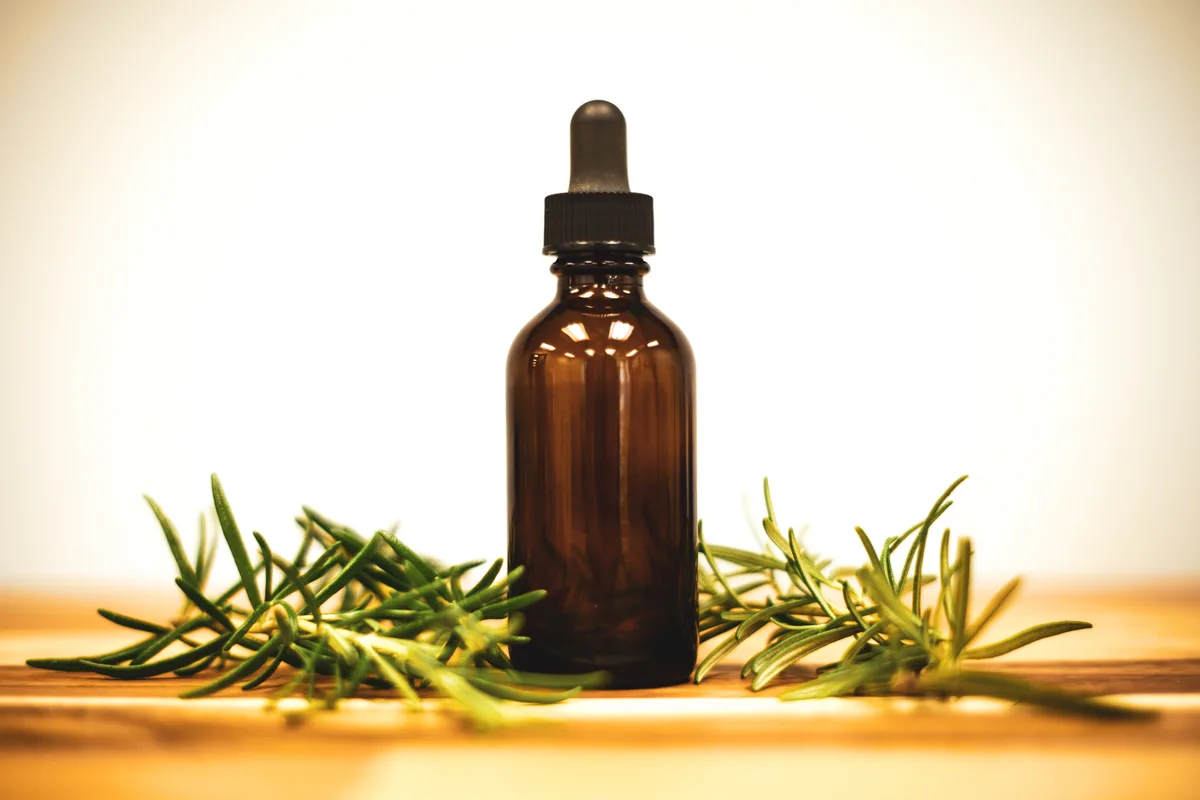
Yes, you can use essential oils in a simmer pot — add 3–5 drops to the water of a fruit-and-spice base. They stretch the scent and add depth. Skip heavy pine around pets and never put oil on a dry hot pot.
How to use oils without messing up the pot
The fruit-and-spice base the oil sits on top of is covered on the simmer pot ingredients page; oils are an accent, never the whole pot.
Start the base pot
Begin with a fruit-and-spice simmer pot on low heat.
Add drops of oil
Add 3–5 drops of oil to the water when the pot is warm, and top up as the scent fades.
- Add drops to the water, not to the pot or fruit directly.
- Start with 3–5 drops and add more as the scent fades.
- Pair oils with the blend: orange and clove for fall, pine for winter, eucalyptus for freshness.
- Ventilate the room — oils intensify the smell fast.
- Start from the base fruit-and-spice simmer pot recipe — oils boost it, they do not replace it.
Oils to be careful with
Pine, peppermint and tea tree are lovely scents but can bother cats and dogs when concentrated. If pets share the house, keep the pot out of reach, run it in a ventilated room, and stick to fruit-and-spice pots without oils — citrus (limonene) is itself one of the oils poison lines flag for cats, so "gentler citrus" is not the safe shortcut it is sometimes made out to be. When in doubt, skip the oil and let fruit and spices carry the pot.
Pets and essential oils: what poison experts actually say
Poison control centers flag essential oils by concentration, not by smell. The oils in a simmer pot are diluted in water that is heating, so they are far milder than the undiluted bottles on the shelf — but cats are especially sensitive, and concentrated oil on fur or paws, or a pet drinking from the pot, is a real risk worth managing.
The oils most often named by Pet Poison Helpline for cats are wintergreen, sweet birch, citrus (limonene), pine, ylang ylang, peppermint, cinnamon, pennyroyal, clove, eucalyptus and tea tree (melaleuca). For dogs, the same list minus citrus and ylang ylang: wintergreen, sweet birch, pine, cinnamon, pennyroyal, eucalyptus and tea tree.
Signs to watch for within hours
Drooling, vomiting, wobbling (ataxia), lethargy, low body temperature, tremors, trouble breathing, coughing or wheezing. In a diffuser-heavy house with concentrated oil, serious cases can progress to seizures or liver issues — that is why poison lines are explicit that concentrated oils should never be applied to pets.
How to run a pet-safe pot
Place the pot where a cat cannot jump up or knock it over, keep the room aired, use 3–5 drops (not a splash), and never let a pet drink the pot water — oil floats on top of it. If you see any of the signs above after exposure, call your vet or Pet Poison Helpline at 800-213-6680.
Sources: ASPCA (essentials of essential oils around pets), Pet Poison Helpline (updates on essential oils; essential oils and cats), Merck Veterinary Manual (toxicoses from essential oils in animals).
Stovetop, water, fire, pet, and child notes are on the simmer pot safety page.
Our recommended picks
As an Amazon Associate, we earn from qualifying purchases. Links below are affiliate links marked as sponsored — a qualifying purchase may earn us a commission at no extra cost to you.
Essential oil set with orange, clove and cinnamon
A 14-bottle set that includes orange, clove and cinnamon — the core simmer pot trio.
Simmer pot mix, 12 pouches
Pre-portioned dried fruit and spice to pair with your oils.
Eucalyptus essential oil
For winter blends that want a fresh note — 3–5 drops, and keep it away from pets.
More recipes

Frequently asked questions
Can I put essential oils in a simmer pot?
Yes. A few drops added to the water at the start — or more when the scent fades — give a stronger, longer-lasting blend. Do not add undiluted oil directly to a hot dry pot.
How many drops of essential oil should I use?
Start with 3–5 drops for a small pot and add more as it fades. Oils are concentrated — a little goes a long way.
Which essential oils smell best in a simmer pot?
Orange, cinnamon, clove, pine, eucalyptus and peppermint all blend well with fruit-and-spice simmer pots. Lavender is gentler for bedrooms.
Are essential oils safe around pets?
Concentrated essential oils can bother pets — tea tree, cinnamon, clove, pine, eucalyptus, peppermint and citrus oils are the most flagged by poison authorities for cats, and tea tree, cinnamon, pine, eucalyptus and wintergreen for dogs. Keep the pot out of reach, ventilate the room, and call a vet (or Pet Poison Helpline at 800-213-6680) if your pet shows drooling, vomiting, wobbling or trouble breathing within hours of exposure.
Do essential oils replace fruit and spices?
Oils boost a fruit-and-spice pot, but fruit and spices give the "real" depth. Use oils as an enhancement, not a replacement.