How to Make a Simmer Pot: Method, Ratios and Timing
TL;DR
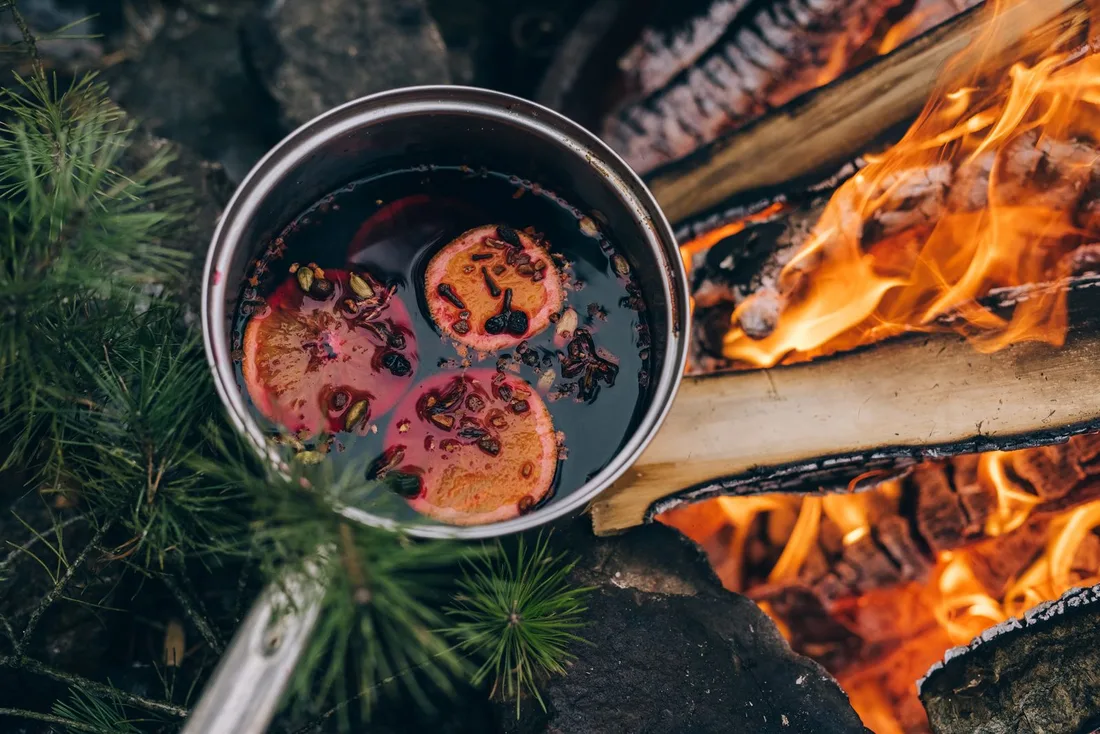
Fill a small pan with about three cups of water, add sliced citrus and whole spice with the peel on, and hold it just under a boil — small bubbles at the edge, never a rolling surface. Top the water up as it drops, stay in the house while it runs, and turn it off after two to four hours, when the fruit has nothing left to give. A slow cooker on low with the lid off does the same job for longer.
The ratio that does the work
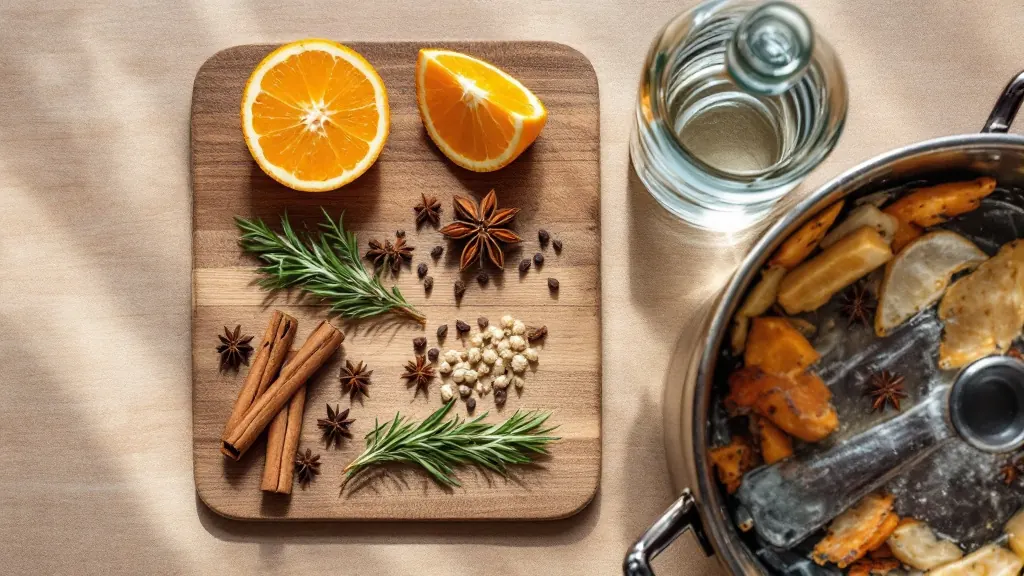
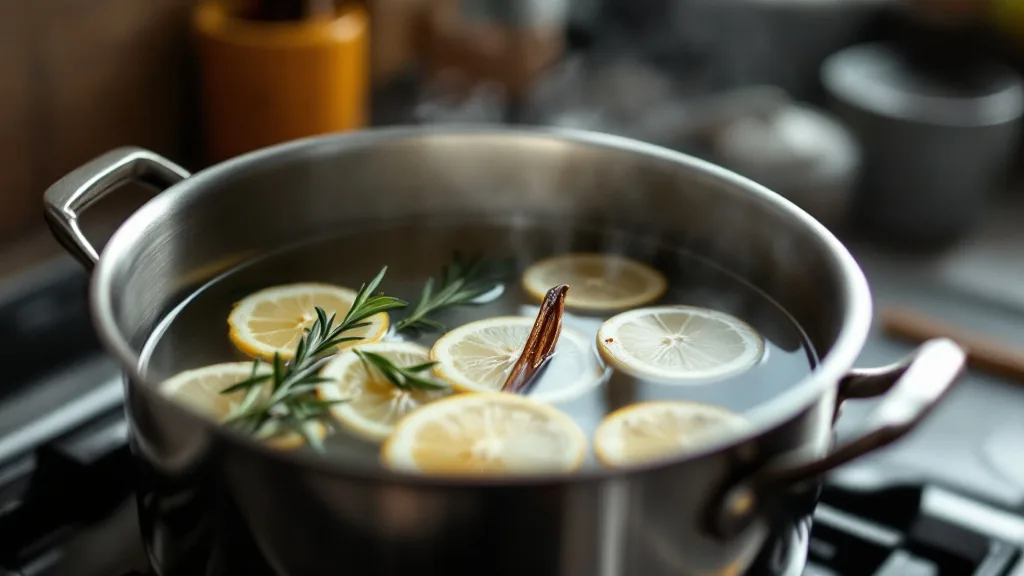
A simmer pot is not a recipe so much as a proportion: enough water to cover the fruit, and enough fruit and spice that the steam carries something. The version that works in an eight-inch saucepan is one orange or two small ones, half an apple, one or two cinnamon sticks and a teaspoon of whole cloves, under about three cups of water.
Two things scale it up or down. The first is pan diameter, not depth: a wide sauté pan evaporates at roughly twice the rate of a narrow milk pan at the same flame, so a wide pan needs a fuller start. The second is how much surface the fruit exposes — quarter-inch rounds release in about ten minutes, while a whole orange dropped in will barely scent the room before the water is gone.
The first pot, in ten minutes
- Water first. About three cups in a small saucepan, an inch of headroom. Cold water is fine; there is no reason to start hot.
- Cut the fruit into rounds. A quarter inch thick, peel on. The oil that smells like orange lives in the peel, so peeling it removes the thing you came for.
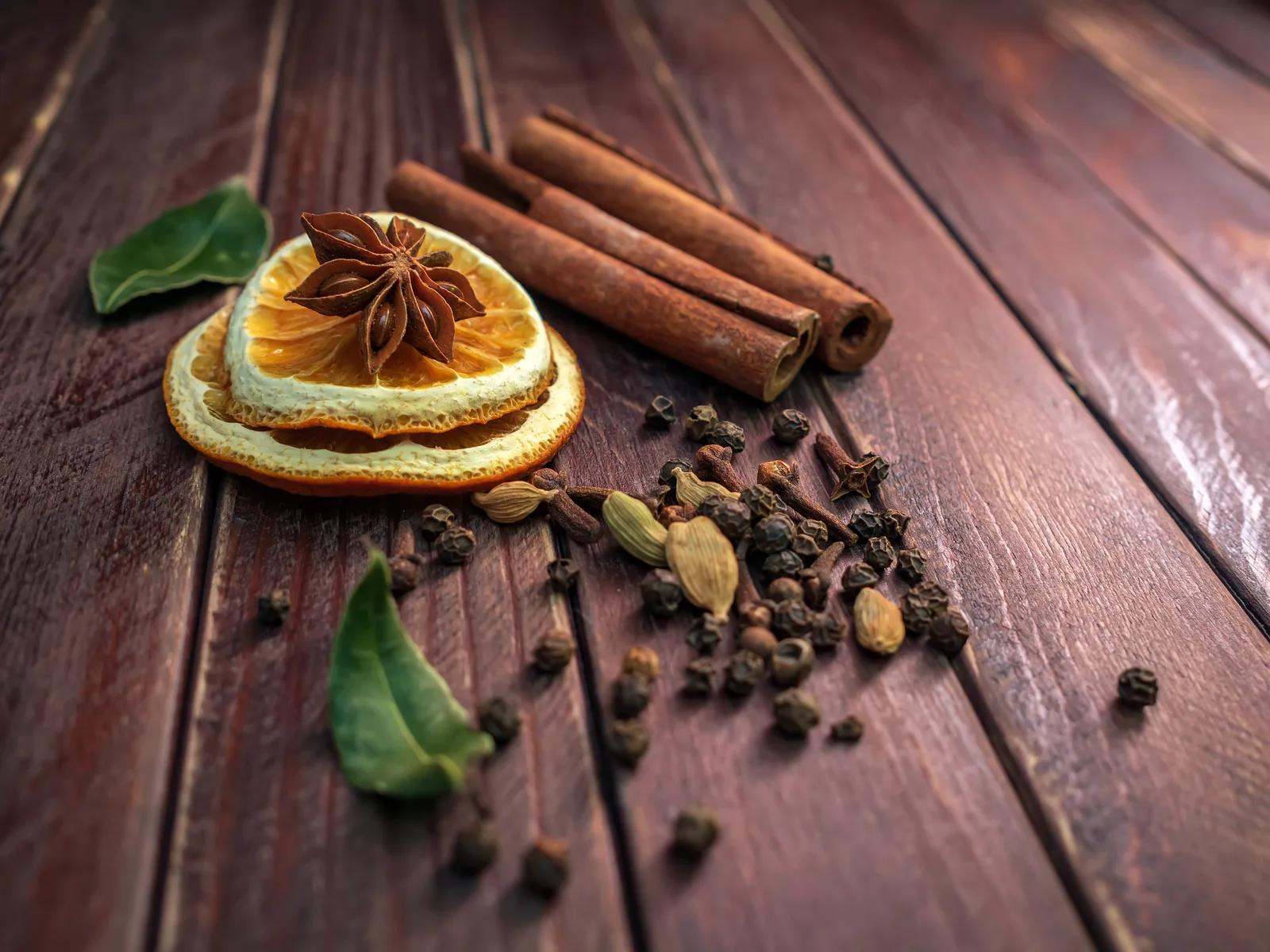
- Add whole spice only. Cinnamon sticks, whole cloves, star anise, a bay leaf. Ground cinnamon and ground clove turn the water muddy and sink, and they scorch on the base of the pan before they scent anything.
- Heat to a bare simmer. Lowest setting that keeps movement in the pan after ten minutes. Lid off, always — a lid traps the scent you are trying to spread.
- Set a timer for the water level. Not for the scent. When the water drops below the fruit, you are minutes away from a scorched pan.
That is the whole method. The blends themselves — the Christmas pot, the fall cranberry pot, the four winter ones — are on the simmer pot recipes page, and the choice of fruit and spice is on the ingredients page. What follows here is the part those pages assume you already know.
What “simmer” actually means
A bare simmer sits just under a boil, roughly 190–200 °F at sea level: small bubbles forming at the edge of the pan and rising slowly, with a still surface in the middle. A rolling boil — bubbles breaking across the whole surface — is the wrong setting twice over. It drives water off fast enough that you are refilling every twenty minutes, and it agitates the fruit so the peel breaks down into pulp.
On a gas hob, the lowest stable flame usually sits under the pan without licking the sides. On an electric coil or ceramic top, residual heat means the pan keeps simmering after you turn it down, so drop the dial below the setting that looked right and give it two minutes. Induction is the easiest of the three: hold it at the setting where the pan is visibly moving but not churning.
If the pan does boil dry, do not add cold water to a hot empty pan. Take it off the heat, let it cool, then look at the base before you use it again — scorched fruit sugars leave a film that turns bitter in the next pot.
How long it lasts, and what to do when the water drops
Expect two to four hours of usable scent on a stove. The first hour is the strongest because the volatile oils in citrus peel and spice come off early; the second hour is softer and rounder; by the third the fruit is spent. Adding warm water keeps the pan safe but does not bring the scent back — once it smells of warm water, a fresh pot is the answer.
Top up with warm, not cold, water if you are topping up a running pot: cold water on a hot pan is unnecessary thermal shock and it drops the whole pan out of simmer. When you finish, strain the solids and either compost them or refrigerate them covered for one more session with fresh water. Do not store the water itself — it turns overnight.
The slow cooker (crockpot) version
If the pot has to run while you are cooking, working or upstairs, a slow cooker is the safer shape of the same idea. Same fruit, same spice, small cooker, low setting, lid off. Four to six hours is realistic, against two to four on a stove, and the scent is gentler because the water never gets near a boil.
Two adjustments. First, use less water than you would on a stove — the sealed ceramic holds heat and evaporates slowly, and a cooker filled to the brim will not smell of anything for the first hour. Second, check the level hourly rather than every twenty minutes; a slow cooker left on high with the lid off can still go dry over an afternoon. The candle warmer version is the third option and the only one that involves no mains heat at all.
How to use the pot around the house
- Place the pan where the air moves, not where you sit. A back burner under an extractor hood on low, or a spot near a doorway with foot traffic, spreads scent further than a front burner beside the sofa.
- Start it 30 to 60 minutes before people arrive. The strongest hour is the first one, and a room that already smells right when the door opens reads differently from one that starts smelling as guests sit down.
- Run it while you clean, not instead of cleaning. The pot covers cooking smells and the smell of a closed-up house; it does not fix a bin that needs emptying.
- Keep it off in a small, closed room. A bedroom with the door shut gets humid and heavy fast. This is a kitchen and living-room appliance.
- Never leave it running for the school run, the dog walk, or the night. Every year this is how pans are ruined and how stove fires start.
Pets, children and the water level are covered with sources on the simmer pot safety page, including the list of ingredients that should never go in a pan a cat can reach.
Four things that ruin a pot
- Sugar. It caramelises onto the base and turns the whole pan sticky. Vanilla extract carries the sweet note without it.
- Ground spice. Cinnamon powder and ground clove sink, cloud the water and scorch. Whole spice only.
- A lid. The scent is in the steam. Lid on means scent stays in the pan.
- Glass bakeware on a gas burner. Most U.S. glass baking dishes are not rated for direct flame and will crack. Why glass pans crack on a gas stove covers which vessels are actually safe.
Our recommended picks
As an Amazon Associate, we earn from qualifying purchases. Links below are affiliate links marked as sponsored — a qualifying purchase may earn us a commission at no extra cost to you.
Small saucepan with a heavy base
A heavy base is what keeps a two-hour bare simmer from scorching.
Stovetop, water, fire, pet, and child notes are on the simmer pot safety page.
More recipes
Frequently asked questions
How much water goes in a simmer pot?
Enough to cover the fruit with about an inch of room left at the top of the pan. For a small saucepan that works out to roughly three cups. Too little water and the pan goes dry in under an hour; too much and the fruit never touches the heat long enough to give up its oil.
What temperature should a simmer pot be?
Just under a boil — small bubbles at the edge of the pan rather than a rolling surface. On a numbered electric or gas dial that is usually the lowest setting that still shows movement after ten minutes. If the pan is bubbling hard across the top, the water is going off faster than the scent can build.
How long does a simmer pot last?
Two to four hours on a stove with the water topped up as it drops, and four to six hours in a slow cooker on low. After that the fruit has given up its oil and the pot smells of warm water. That is the cue to stop, not to add more spice.
Can I make a simmer pot in a slow cooker or crockpot?
Yes, and it is the better option if the pot has to run while you are busy in another room. Use the same fruit and spice in a small slow cooker on low, lid off so the scent can escape, and check the water level every hour or so. Crockpot is the brand name that most U.S. shoppers use for a slow cooker; the method is identical.
Do I need to peel the fruit?
No. The oil is in the peel, which is the whole reason citrus goes in the pan. Wash the fruit, cut it into slices about a quarter inch thick, and put it in peel and all. Peeling it throws away the part that does the work.
Why does my simmer pot stop smelling after an hour?
Either the fruit has already given up its oil — common with thin-skinned oranges and with anything that was frozen — or the nose has adapted, which happens in any room after twenty minutes. Change the pot before you add more spice: the temperature of the room and a fresh ingredient do more than doubling the cinnamon.
Is a simmer pot the same as a humidifier?
No. A simmering pan does put moisture into the air, but it is a stove appliance that needs a person in the house, while a humidifier is built to run unattended. If a room genuinely needs humidity, use a humidifier; the pot is for scent.
Can I leave a simmer pot on overnight?
No. A pan of water on a live burner is unattended heat and it will eventually boil dry, which scorches the pan and is a fire risk. Turn it off before you leave the room for the night, and if you want the house to still smell right in the morning, start a fresh pot when you get up.