Valentine Simmer Pot Recipe – Rose, Orange and Vanilla
TL;DR
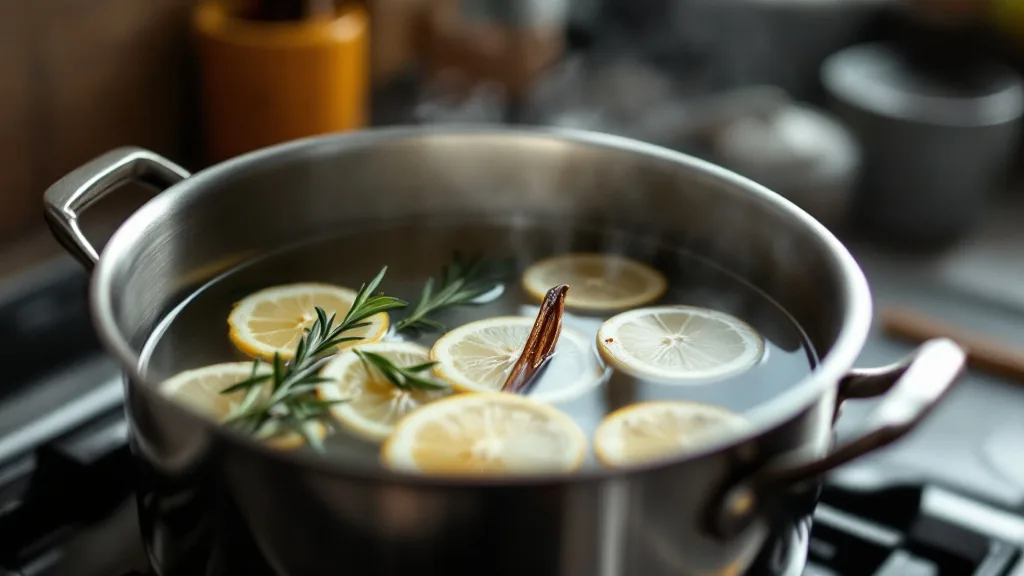
Orange peel, rose, strawberry, vanilla and star anise in three cups of water, held at a bare simmer for two to three hours. No cinnamon and no clove on purpose — this is the February pot, not the December one.
Why this pot has no cinnamon in it
Every other blend on this site leans on cinnamon, clove and cranberry. Those are the notes that say December, and by February most households have smelled them for two months solid — the nose stops registering a scent it has had in the air all winter, which is why a Valentine pot that smells like the Christmas one reads as "leftover" rather than "new".
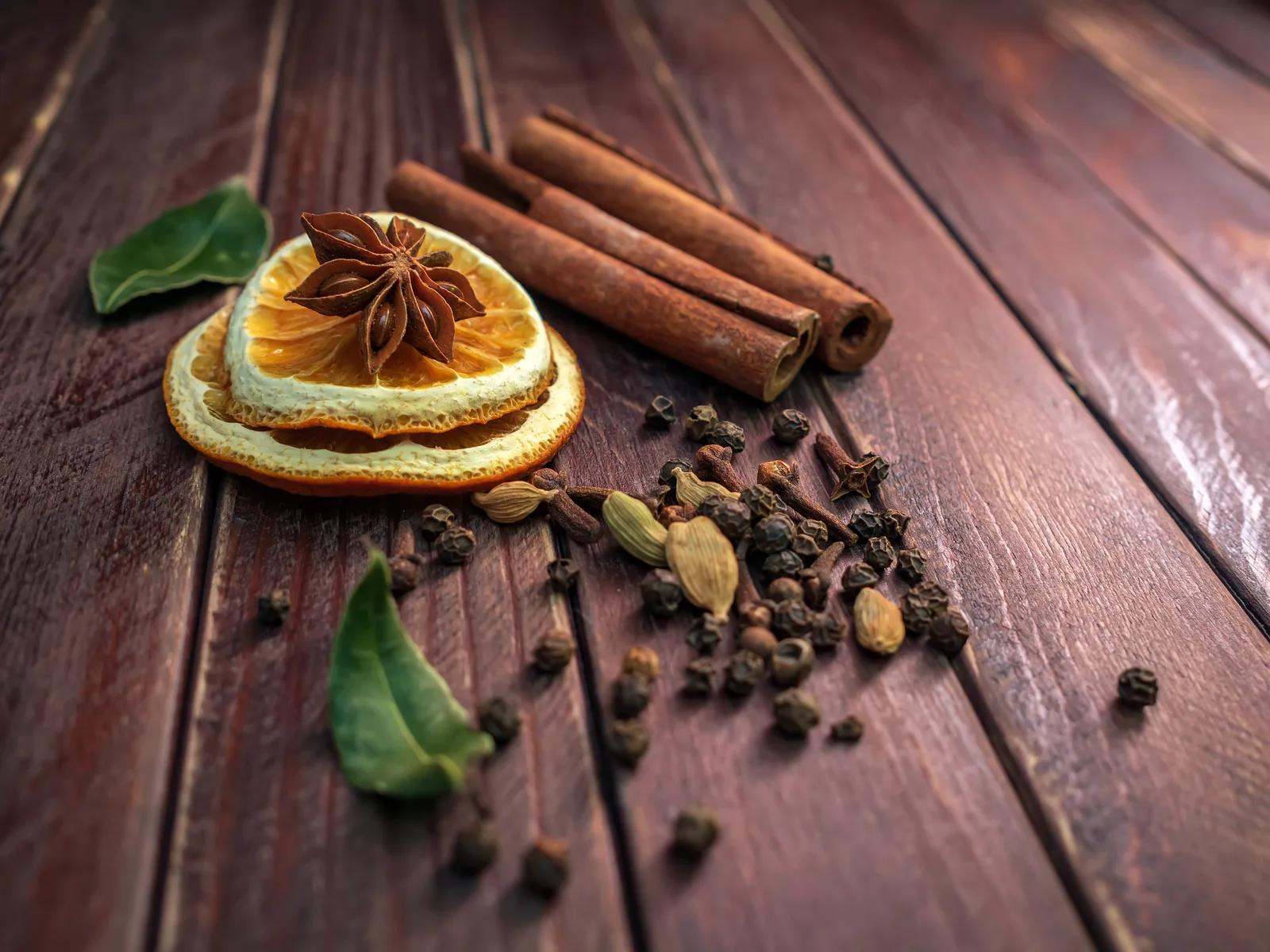
So this recipe takes the light end of the same idea: citrus peel for lift, rose for the floral note, strawberries for sweetness and colour, vanilla and star anise to give it a base that is warm rather than spiced. It is a deliberately thin pot — two or three ingredients doing the work, the opposite of a December blend with seven things in it.
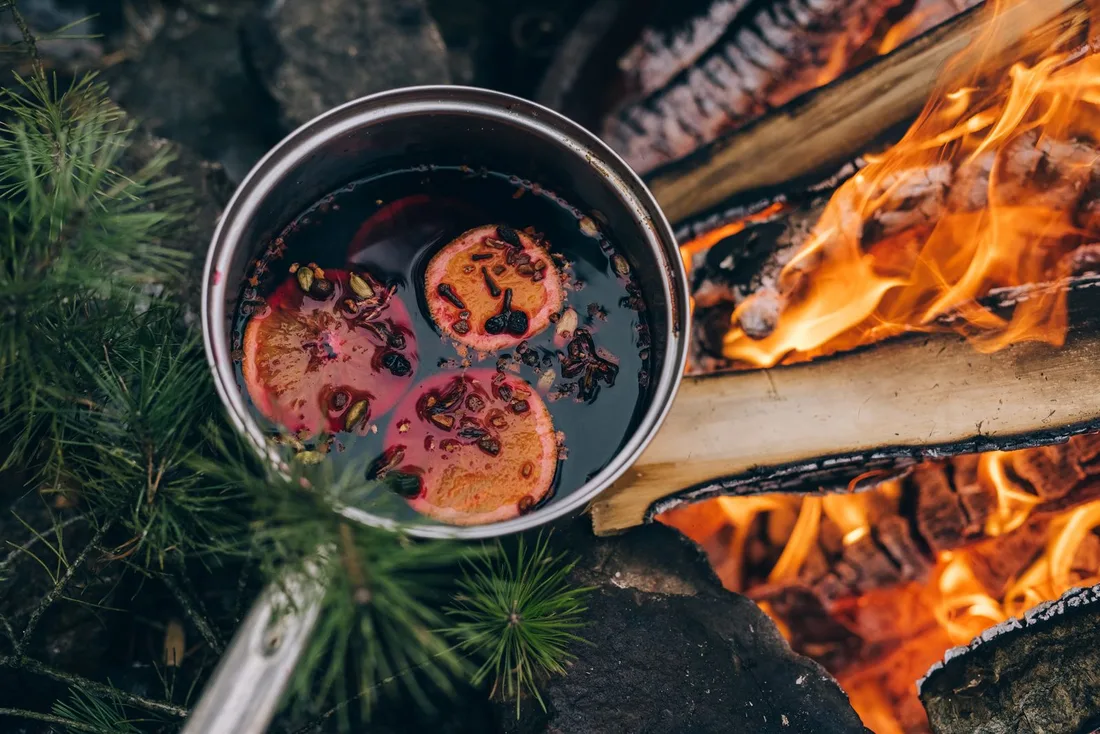
Valentine simmer pot recipe
One pot, three cups of water. Everything here is food grade, which matters more for this recipe than for any other: rose petals are the one ingredient people routinely grab from a florist bouquet, and those are grown for looks and treated accordingly.
Water and peel first
Three cups of water in a small saucepan with an inch of headroom. Add the orange peel in strips rather than slices — the oil sits in the peel and a strip gives it up faster than a whole slice does.
Rose, strawberry, star anise
Add the rose petals, strawberries and star anise while the water is still cool. Rose petals go soft quickly, so they go in at the start rather than at the end.
Warm, then hold at a bare simmer
Bring it to a bare simmer, then down until the surface is barely moving. Add the vanilla once the water is warm, not before. Two to three hours of scent, topped up as the level drops, attended the whole time.
Vanilla is the one ingredient where cheap loses visibly: a split whole bean gives a rounder base for two hours, while extract is mostly alcohol and water and fades within the first hour. If extract is what you have, add it late and add a little more than the recipe says.
Making it ahead, and how far ahead
Unlike the winter blends, this one is not a make-ahead pot. Cut strawberries go soft within a day, and rose petals give up their scent within hours of hitting water — a jar assembled on the 12th smells of nothing much by the 14th.
- Dry version: make it any time. Dried orange peel, dried strawberries, dried rose petals, star anise and a split vanilla bean keep for months in a sealed jar.
- Fresh version: assemble the same morning or an hour before, keep the fruit in the fridge, and add it to the pan when you are ready to simmer.
- For a dinner: start it an hour before guests arrive so the room already smells of it, then keep it at the lowest simmer through the meal.
Valentine potpourri: the same blend, used cold
A Valentine potpourri is this ingredient list without the pan. Dry everything properly, mix, and keep it in a jar — then two ways to use it:
- Bowl: a loose handful in a shallow bowl, stirred once a day. Works best in a small room, a bathroom or a hallway where the scent has nowhere to escape to.
- Sachet: two tablespoons in a muslin bag for a drawer or a suitcase. This is also the version that travels as a gift, because it needs no hob on the other end.
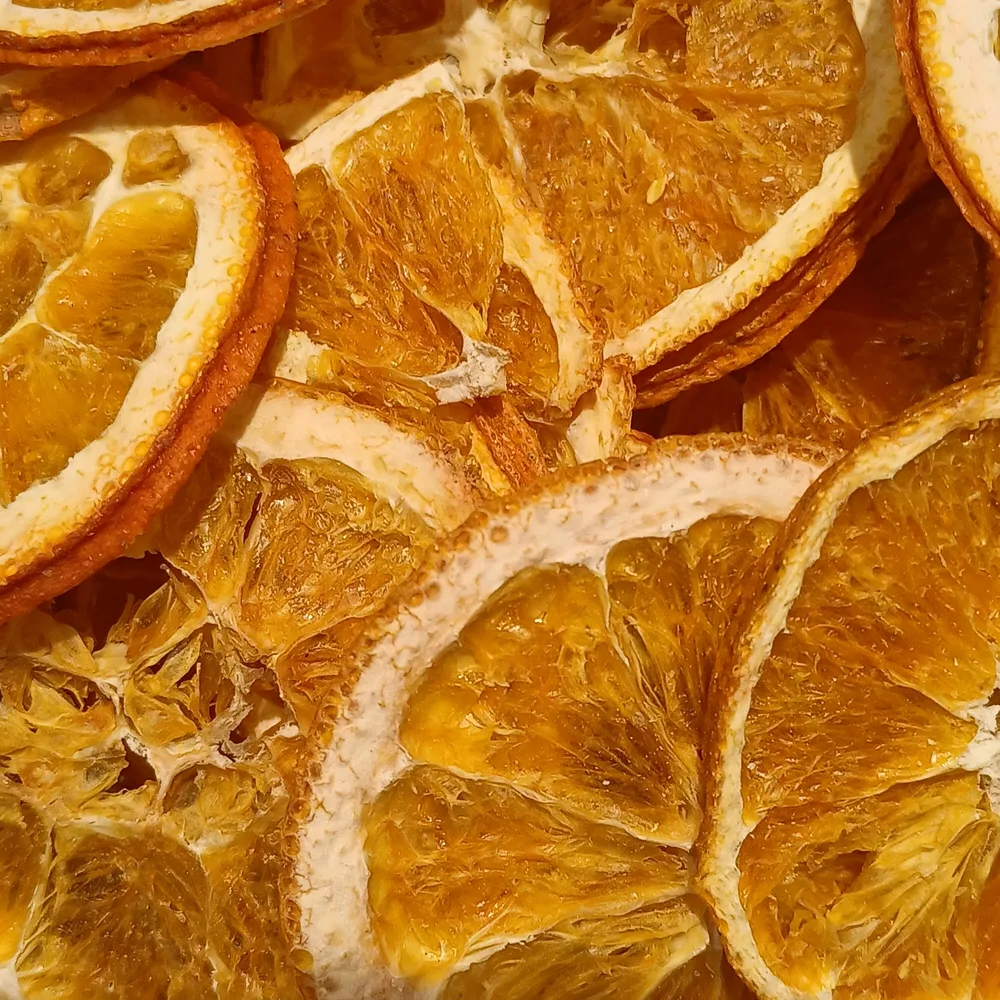
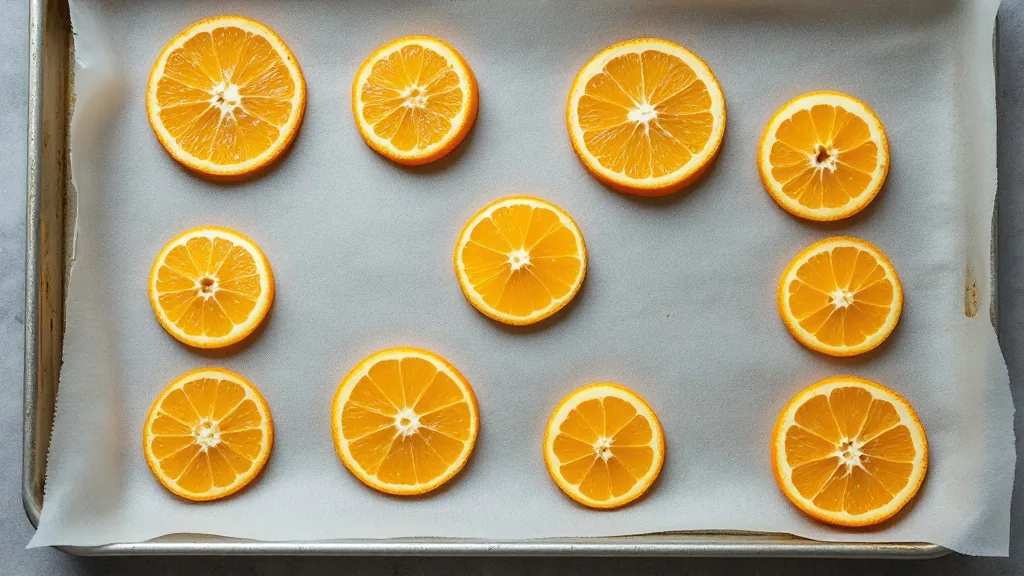
The drying step is what decides whether the jar survives to the 14th: peel and fruit have to be genuinely dry, not leathery-with-soft-spots, or the whole jar goes mouldy in a fortnight. The dried orange slices page has oven, dehydrator and air-drying times side by side, and the potpourri method page covers the bowl, sachet and pan versions of the same idea.
Colour, without food dye
The pot turns pink on its own within ten minutes — strawberries bleed, rose petals bleed, and orange peel gives the warmth underneath. Two things change the shade:
- Hibiscus petals (food grade, sold for tea) push it toward a deeper red and add a tart note nobody notices in a pot you only breathe over.
- Blood orange peel instead of regular orange gives a redder base from the start, with a slightly more bitter top note.
What does not work: food colouring. It changes the water and nothing else, and a simmer pot is judged by what the room smells like, not what the pan looks like.
How far this pot carries
This blend is deliberately the light end of the range: citrus peel, rose and strawberry are small, volatile molecules that leave the pan quickly and fade just as quickly. That makes a bright room while it runs, and a thin one at the far end of an open plan. Two moves that matter more than adding more petals:
- Run it where people already are. A closed room, the corner of a dining room, wherever you are sitting. It will not travel from the kitchen to a bedroom, and no extra ingredient changes that.
- Hold it at a bare simmer. A rolling boil pushes everything out in the first forty minutes and leaves the room smelling of hot water afterwards.
The dry version behaves differently again: a loose handful of potpourri in an open bowl scents one small room and stops at the door — which is why the bathroom, a hallway or a single bookcase are its best spots, while a pan on the hob does more in a living room. If you want this properly worked out — why a water bowl reads thinner than a wax melt, how the scent actually leaves the pot, and why a room goes blind to a scent after twenty minutes — the candle warmer page covers it in full.
After the 14th: what to do with the bouquet
The flowers are the other half of the day and they have a second life most people throw out on the morning of the 15th. Nearly all of it comes down to two things — the vase, and the rescue.
The vase. Re-cut the stems an inch or two shorter at an angle with a sharp knife rather than scissors: scissors crush the tissue that carries water up the stem, and the stem then sits in its own bruise. Strip every leaf that would fall below the waterline, because submerged leaves rot and that rot is what turns the water cloudy and shortens the life of everything in it. Change the water every day or two in a vase scrubbed with hot soapy water, and keep it out of direct sun, off a radiator and away from a fruit bowl — ripening fruit gives off ethylene, the gas that makes flowers drop petals early.
The rescue. A rose that has gone soft at the neck is usually air-locked rather than finished: cut two inches off the stem while it is held under water so no air bubble gets in, then stand it in deep cool water in a dark room for a couple of hours. Carnations, tulips and chrysanthemums answer the same treatment; hydrangeas want their heads misted as well. Done on the evening of the 15th, most arrangements carry comfortably through the following week.
Then the second life. Petals past reviving can go into a dry decorative bowl, but only that. Florist roses are grown for appearance and treated with preservatives and pesticides, so they must never go into a pan or into a jar of food-grade potpourri — the same reason the recipe above insists on culinary petals. Keep the decorative bowl and the edible jar apart and labelled, particularly in a house with children or pets. If you want the petals dried properly rather than left to wilt, the potpourri method page covers the drying step that decides whether they keep or go mouldy.
Giving it away in February
February is thin for giftable jars — the shelf that was full of Christmas kits in December is bare, which is exactly why a small jar of this blend is worth assembling. Fill a 4–8 oz jar with the dry version, tie a tag through the lid, and write the same line as any simmer pot gift: empty into a pan with three cups of water, lowest simmer, top up as it drops.
Two things to put on the tag that most people forget: food grade (so the recipient knows it is not decorative potpourri), and use within three months (dried rose fades faster than whole spice). For tag wording and formatting, see the gift tags page; for jar sizes and layering, the kits page.
If you want to push the rose note harder, essential oils for a valentine's day simmer pot covers the two or three that are food-safe in a pan and the ones to keep away from a household with cats. And for the five other blends on this site — fall through winter — the full simmer pot recipe collection is the place to start.
Stovetop, water, fire, pet, and child notes are on the simmer pot safety page.
Our recommended picks
As an Amazon Associate, we earn from qualifying purchases. Links below are affiliate links marked as sponsored — a qualifying purchase may earn us a commission at no extra cost to you.
Food-grade dried rose petals
The only kind that belongs in a pan — florist roses are treated.
Vanilla beans
One split bean carries a whole pot; extract works but fades faster.
More recipes
Frequently asked questions
What does a Valentine simmer pot smell like?
Rose and orange peel with a vanilla base. The point is what it does not have: no cinnamon, no clove and no cranberry. Those are the notes that make a pot read as December, and February wants a lighter, sweeter profile instead.
Can I use florist roses in a simmer pot?
No. Florist roses are grown for appearance and are treated with preservatives and pesticides that are not for food use. Use culinary dried rose petals or a rose tea sold for drinking, and check the label says food grade.
Is a Valentine simmer pot the same as Valentine potpourri?
Same ingredients, different use. Potpourri is the dry blend sitting in a bowl or a sachet, scenting a room cold. A simmer pot is the same blend in water on the hob. This page works both ways: the recipe below simmers, and the dry version is covered further down.
When should I start a Valentine simmer pot?
The evening of the 14th, or the morning of it. Strawberries go soft within a day of being cut, so this is a same-day pot rather than something made ahead — unlike the December blends, which hold up in a jar for weeks.
How much water and how long?
Three cups in a small saucepan, held at a bare simmer. Expect two to three hours of usable scent, top up as the water drops, and never leave it unattended or let it go dry.
Can I make this as a dry potpourri for a bowl?
Yes, and it is the version that lasts. Dry the orange peel and strawberries thoroughly first, mix with the rose petals, vanilla bean and star anise, and keep it in a sealed jar. A handful in an open bowl scents a small room; two tablespoons in a muslin bag goes into a drawer.
Does it need to be pink?
It will be, without help — strawberries and rose petals both bleed into the water within minutes. If you want a deeper colour, add a few dried hibiscus petals; they are food grade and taste tart, which does nothing bad to a pot you are only breathing over.
What if I do not have strawberries in February?
Leave them out. The orange peel, rose, vanilla and star anise carry the pot on their own; strawberries mainly add sweetness and colour. Frozen strawberries work, but they cloud the water faster than fresh.
Is this safe around pets?
A simmer pot is water and food ingredients, so there is nothing in the pan itself that is a problem. The risks are the same as any hob: an open flame or hot ring, and essential oils if you add any — several are toxic to cats, so keep added oils out of a pet household and let the fruit and spice do the work.
Can I give it as a gift?
Yes, and February is thin on giftable jars compared to December. Fill a small jar with the dried version, tie a tag on it, and write the same instruction as any simmer pot gift: empty into a pan with three cups of water, lowest simmer, top up as it drops.
What should I do with the Valentine bouquet after the 14th?
Re-cut the stems at an angle with a sharp knife, strip the leaves that would sit under water, change the water every day or two in a washed vase, and keep the arrangement away from sun, radiators and ripening fruit. A drooping rose is usually air-locked: cut two inches off the stem under water, then stand it in deep cool water in a dark room for a couple of hours. Florist petals can be dried for a decorative bowl, never for a pan or for food-grade potpourri.